
Skillet Chicken Thighs
When Comfort Tastes Like Home
I remember being ten, standing on a wooden chair next to my aunt in her cozy kitchen. She was teaching me how to flip chicken thighs in a cast iron skillet without burning myself.
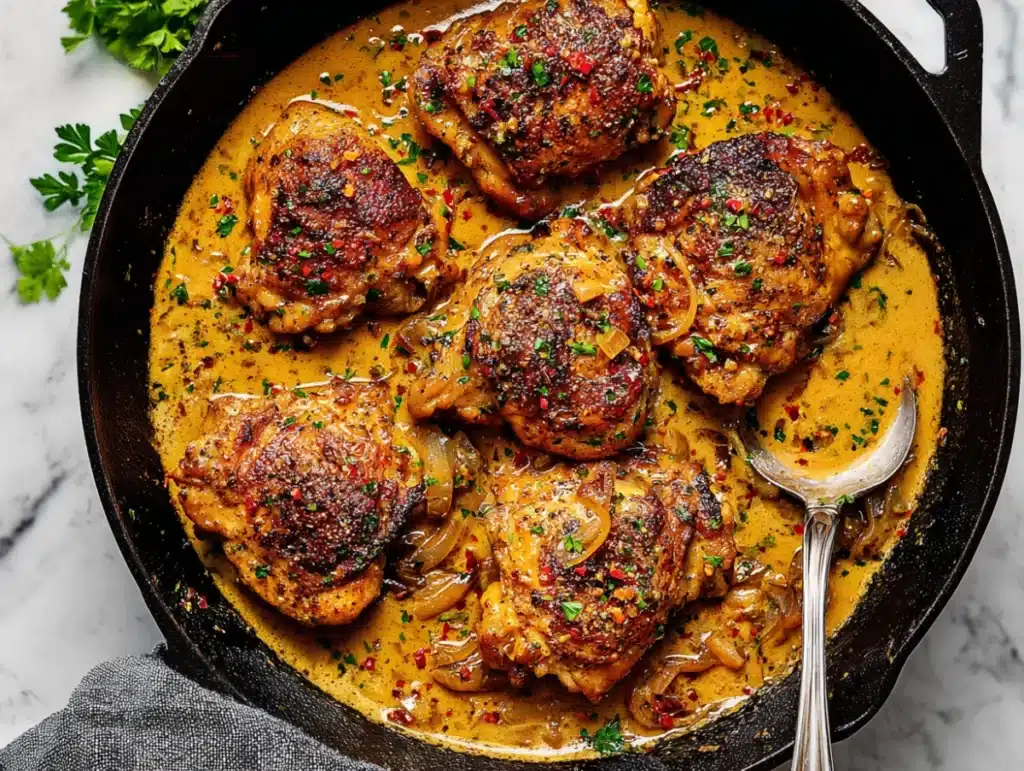
The sizzle, the scent of garlic, the way the skin turned crisp gold — that’s when I knew food could feel like a hug. Years later, when life felt heavy, I came back to that same recipe. This post isn’t just a guide — it’s a memory you can cook. Let’s bring that same warmth to your table, one skillet at a time.
For more flavorful meal ideas, explore our full variety of chicken recipes.
Why Skillet Chicken Thighs Are the Perfect Weeknight Dinner
What Makes Chicken Thighs Ideal for Skillet Cooking
Skillet chicken thighs are a game changer when you’re short on time but want bold flavor. Their naturally higher fat content compared to chicken breasts keeps them incredibly juicy, especially when seared in a hot pan. When cooked in a skillet, the skin crisps up perfectly, locking in flavor and giving you a golden crust that’s hard to resist.
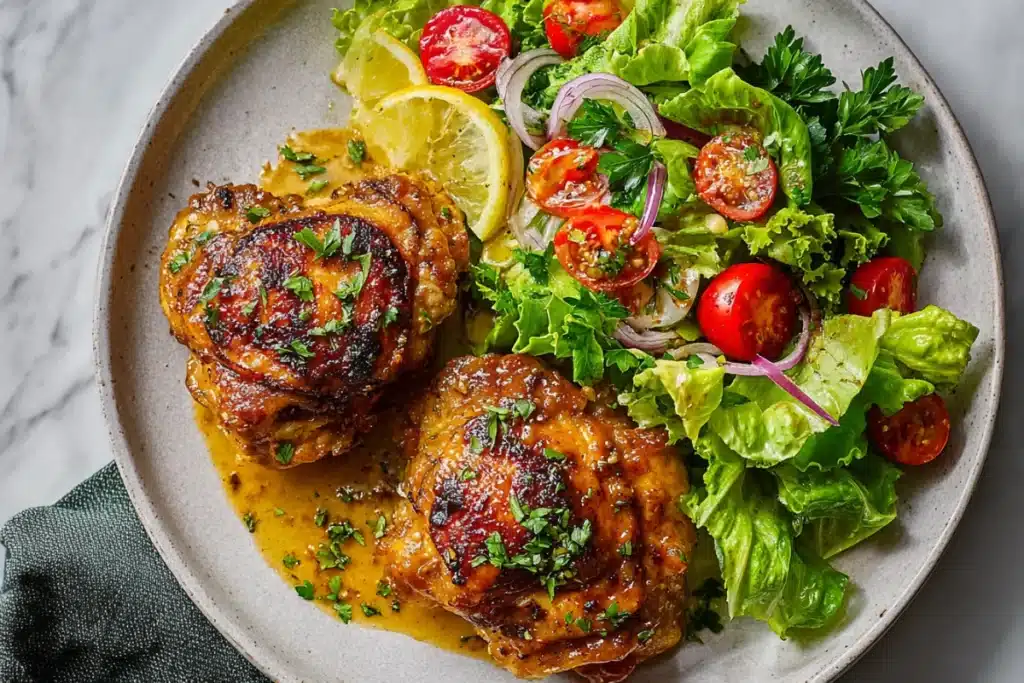
Whether bone-in or boneless, chicken thighs adapt beautifully to a range of seasonings. Their forgiving texture makes them less likely to dry out, even for beginners. So, if you’re seeking a weeknight hero dish that doesn’t demand precision or hours in the kitchen, these thighs have your back.
Benefits of One-Skillet Cooking
Let’s be honest — no one loves a pile of dishes after dinner. That’s the beauty of skillet chicken thighs: the entire process happens in a single pan. From searing to simmering the sauce, it all unfolds right there. Fewer dishes mean less cleanup, and more flavor means a dinner that tastes like you worked way harder than you did.
One-skillet meals also capture flavor in layers. The chicken renders fat into the pan, which becomes the foundation for building a garlicky, lemony, herbed sauce. It’s efficient, satisfying, and deeply comforting — everything a dinner should be.
Print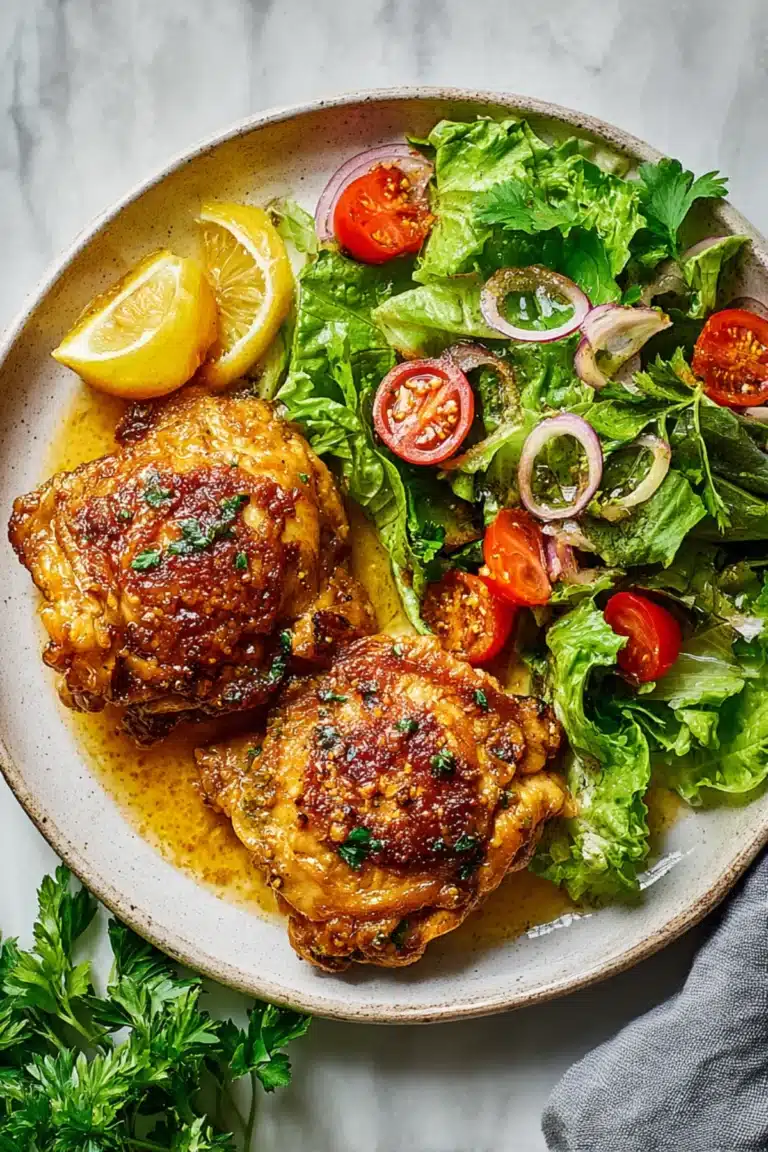
Skillet Chicken Thighs
These skillet chicken thighs are crispy on the outside, juicy on the inside, and smothered in a rich garlic lemon cream sauce. A one-skillet dinner that’s fast, flavorful, and family-approved — ready in under 40 minutes.
- Total Time: 40 minutes
- Yield: Serves 4
Ingredients
Chicken:
-
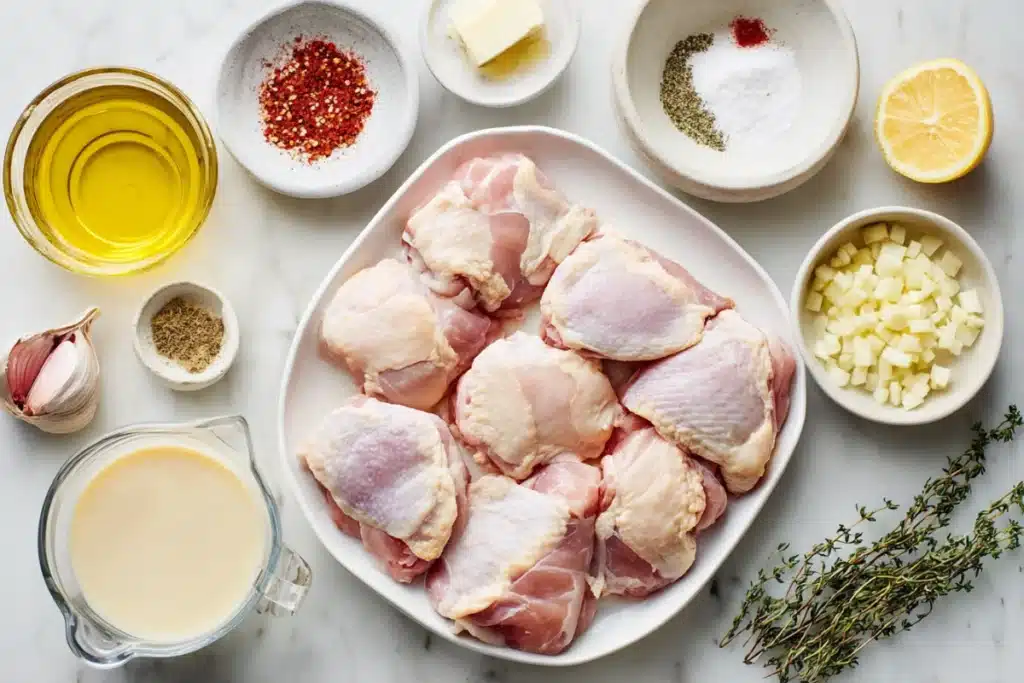
6 bone-in, skin-on chicken thighs (about 1½ pounds)
-
½ teaspoon garlic powder
-
½ teaspoon onion powder
-
½ teaspoon paprika
-
Kosher salt and freshly ground black pepper, to taste
For Cooking:
-
2 tablespoons olive oil
-
1 tablespoon unsalted butter
Aromatics & Sauce:
-
1 small shallot, minced
-
3 cloves garlic, minced
-
½ cup chicken broth (low sodium)
-
1 tablespoon fresh lemon juice
-
2 sprigs fresh thyme
-
¼ teaspoon crushed red pepper flakes (optional)
-
⅓ cup heavy cream
Garnish (optional):
-
Freshly chopped parsley
-
Extra lemon slices for serving
Instructions
-
Prep Chicken:
Pat the chicken thighs dry with paper towels. Combine garlic powder, onion powder, paprika, salt, and pepper. Rub this seasoning all over the chicken thighs, coating both sides evenly. -
Sear Chicken:
Heat a large cast iron skillet over medium heat. Add olive oil. Once shimmering, place the chicken thighs skin side down. Let them cook undisturbed for 7–8 minutes, until golden and crispy. -
Flip & Cook Through:
Flip the thighs and cook for another 15–25 minutes, depending on thickness, until internal temp reaches 165°F. Transfer chicken to a plate and cover loosely to rest. -
Build the Sauce:
Lower heat. In the same skillet, add butter, shallots, and garlic. Sauté for 1 minute until fragrant. Deglaze the pan with chicken broth and lemon juice, scraping the browned bits from the bottom. -
Finish the Sauce:
Add thyme and red pepper flakes. Reduce heat to low and stir in the heavy cream. Simmer for about 5 minutes, until the sauce slightly thickens. -
Return Chicken to Skillet:
Add the chicken thighs back to the skillet, spoon sauce over them, and simmer for 2–3 minutes to marry the flavors. -
Serve:
Garnish with fresh parsley and lemon slices. Serve warm with mashed potatoes, rice, or roasted veggies.
Notes
-
For extra crisp skin: Finish in a 400°F oven for 5 minutes after searing.
-
Don’t skip drying the chicken skin — moisture is the enemy of crispiness.
-
Heavy cream substitute: Use half & half, or coconut milk for a dairy-free option.
-
Boneless thighs: Reduce cook time by 8–10 minutes.
- Prep Time: 10 minutes
- Cook Time: 30 minutes
- Category: Dinner / Main Course
- Method: Skillet / Pan-seared
- Cuisine: American
- Diet: Gluten Free
Ingredients Breakdown for the Best Skillet Chicken Thighs
The Power of Seasoning: Simplicity Wins
To get the best skillet chicken thighs, seasoning is everything. You don’t need anything fancy — just a mix of garlic powder, onion powder, paprika, kosher salt, and freshly cracked black pepper. This simple rub brings out the deep, savory flavor of the chicken thighs while enhancing the crispy sear in the skillet.
The key is balance. Garlic powder adds warmth, onion powder gives depth, and paprika boosts color and smokiness. When you pan-sear seasoned chicken thighs in a hot skillet, these flavors caramelize beautifully right into the skin.
Key Ingredients That Elevate Skillet Chicken Thighs
If you’re making skillet chicken thighs, here’s your all-star list of ingredients — and why each one matters:
| Ingredient | Purpose |
|---|---|
| Chicken thighs | Juicy, flavorful, and perfect for skillet searing |
| Olive oil | High-heat fat for crisping the skin |
| Butter | Adds richness and helps brown the aromatics |
| Garlic & shallots | The flavor base of your skillet sauce |
| Chicken broth | Deglazes the pan and forms the sauce foundation |
| Lemon juice | Brightens the richness of the skillet chicken thighs |
| Heavy cream | Adds silky texture to the pan sauce |
| Fresh thyme & red pepper flakes | Boost aroma and add subtle spice |
What makes these ingredients shine is the skillet — it captures every drop of fat, juice, and browned bits to build a pan sauce that clings to every bite of your chicken thighs.
Want to level up your skillet chicken thighs? Use fresh herbs, a splash of white wine, or a knob of Dijon mustard stirred into the sauce for extra character.
Love crispy textures and bold flavor? You’ve got to try our crispy Chinese honey garlic chicken.
Step-by-Step Guide to Cooking Skillet Chicken Thighs
Prepping the Chicken for the Pan
Before anything hits the heat, prep matters. To make perfect skillet chicken thighs, start by patting the thighs dry with paper towels — this removes moisture that would otherwise steam the meat and soften the skin. Dry skin = crispy skin.
Next, mix your seasoning — garlic powder, onion powder, paprika, kosher salt, and black pepper — and rub it generously on both sides of the chicken. This dry rub not only seasons the meat but also helps it brown better when it hits the skillet.
for more recipes follow me in Pinterest
Searing & Simmering to Perfection
Let’s talk technique. Cooking skillet chicken thighs is all about using heat smartly. Here’s the step-by-step:
- Heat the skillet over medium. Once it’s hot, add olive oil and wait until it shimmers.
- Place chicken thighs skin side down. Don’t move them for 7–8 minutes — that undisturbed contact creates that golden, crispy crust.
- Flip the thighs and continue cooking for 15–25 minutes until the internal temperature reaches 165°F. This ensures your skillet chicken thighs are both safe to eat and juicy inside.
- Remove the chicken to a plate and keep warm. Now, in that same skillet, toss in butter, shallots, and garlic. Cook for about a minute to release the aromatics.
- Deglaze with chicken broth and lemon juice, scraping up the golden brown bits stuck to the skillet. Add thyme, crushed red pepper flakes, and finish with heavy cream.
- Simmer the sauce for about 5 minutes, then return the skillet chicken thighs to the pan. Let them bathe in that creamy, garlicky goodness before serving.
These skillet chicken thighs come together in just one pan, but the layers of flavor make them taste like you spent all day cooking.
Tips for Getting Extra Crispy Skin Every Time
Why a Hot Skillet Is Non-Negotiable
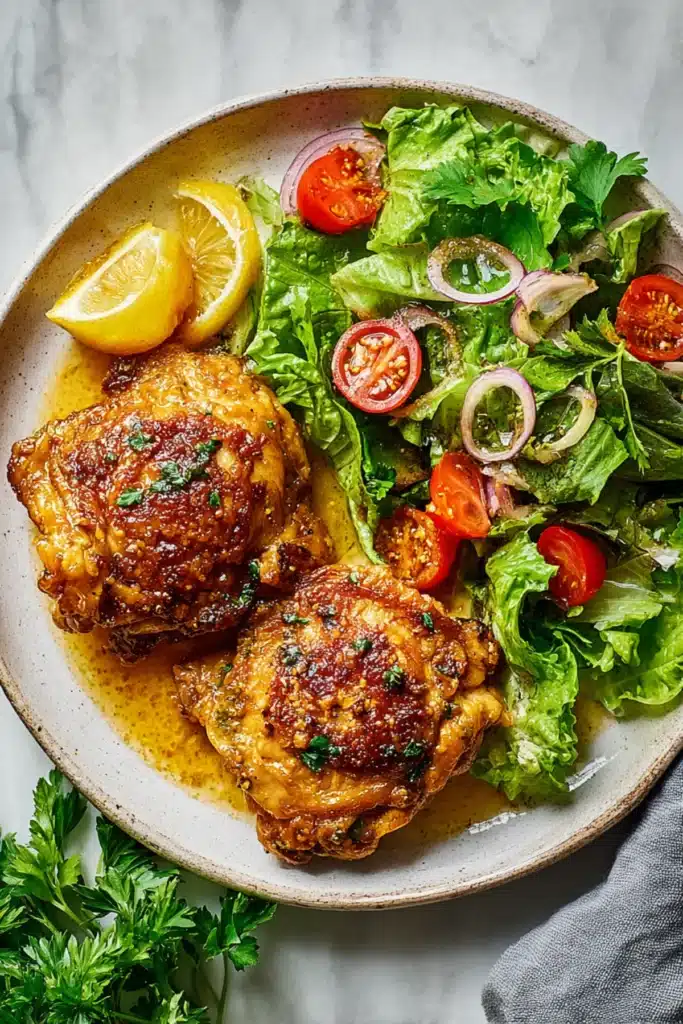
If you’ve ever ended up with soggy skin on your skillet chicken thighs, chances are you skipped the preheat. For crisp perfection, you need a hot pan before the chicken hits the surface. A hot skillet instantly renders the chicken fat and crisps the skin into golden crackle heaven.
Don’t rush it. Let your skillet heat up over medium for 2–3 minutes before adding oil. When you drop in the chicken thighs, they should sizzle right away. That’s your sign it’s going to be good.
The No-Touch Rule and Skin-Side Secrets
Here’s the golden rule: Don’t move the chicken. When you first place your seasoned skillet chicken thighs skin-side down, let them sit undisturbed for at least 7–8 minutes. Moving them too early breaks the crust and pulls the skin.
And yes, skin-side down first is a must. That way, the skin gets the maximum time in contact with the skillet. The fat renders out, and the result is ultra-crispy chicken skin packed with flavor.
Want even more crisp? Try this tip: after searing, place the skillet chicken thighs in a preheated 400°F oven for the last 10 minutes of cooking. It finishes them beautifully and keeps the skin crunchy.
If you’re into oven-baked meals, these cheesy and hearty baked chicken tacos are a game-changer.
Serving Suggestions to Make It a Complete Meal
Perfect Pairings for Skillet Chicken Thighs
You’ve cooked your skillet chicken thighs to golden, juicy perfection — now what goes with them? The right side dish can turn this simple skillet dinner into a full-on feast.
Here are some easy, delicious ideas to round out your plate:
| Side Dish | Why It Works |
|---|---|
| Creamy mashed potatoes | Soaks up the garlic cream sauce from the skillet chicken thighs beautifully |
| Roasted garlic green beans | Adds crunch and freshness to balance out the richness |
| Lemon-herb rice pilaf | Brings in citrus and herbs that complement the skillet flavors |
| Buttery polenta | A smooth, cozy base for the juicy chicken thighs |
| Crusty bread or dinner rolls | Perfect for mopping up every drop of skillet sauce |
Every one of these options was chosen to harmonize with the pan sauce you create while cooking skillet chicken thighs. The sauce is gold — don’t waste a drop.
Garnishes That Add Color and Pop
Garnishing your skillet chicken thighs doesn’t just make the dish look pretty — it wakes up the flavors. Here’s what to sprinkle or squeeze before serving:
- Fresh parsley: Adds freshness and a hint of green color
- Lemon zest: Brightens the cream sauce with citrus notes
- Crushed red pepper flakes: For a subtle kick on top
- Fresh thyme: Echoes the herbal notes from the pan
Pro tip: serve your skillet chicken thighs in the same pan they were cooked in. The rustic look is inviting, and it keeps everything hot at the table.
How to Store, Reheat & Freeze Skillet Chicken Thighs
Best Storage Practices
Leftovers from skillet chicken thighs are just as crave-worthy the next day — if stored right. Once your thighs have cooled to room temperature, place them in an airtight container. In the fridge, they’ll stay fresh for up to 4 days.
For longer storage, freeze your skillet chicken thighs. Wrap each piece tightly in foil or plastic wrap, then place them in a freezer-safe bag or container. This way, they’ll last up to 3 months without losing their flavor or texture.
Quick tip: always label your containers with the date to avoid freezer guesswork.
Reheating Without Losing the Crunch
Worried the skin on your skillet chicken thighs will turn rubbery when reheated? Don’t be — here’s how to reheat without sacrificing that crispy bite:
| Method | Instructions |
|---|---|
| Oven | Preheat to 350°F. Place thighs on a baking sheet, cover loosely with foil. Heat 15 mins. |
| Air Fryer | Set to 350°F. Reheat for 3–4 minutes. Perfect for restoring crispy skin. |
| Microwave | Use only if in a rush. Reheat for 1 minute, but expect softer skin. |
If you’re reheating skillet chicken thighs with the sauce, heat the sauce separately in a pan and spoon it over the chicken just before serving. This keeps both textures and flavors intact.
Don’t forget: skillet chicken thighs also make fantastic leftovers for sandwiches, wraps, or even a hearty salad.
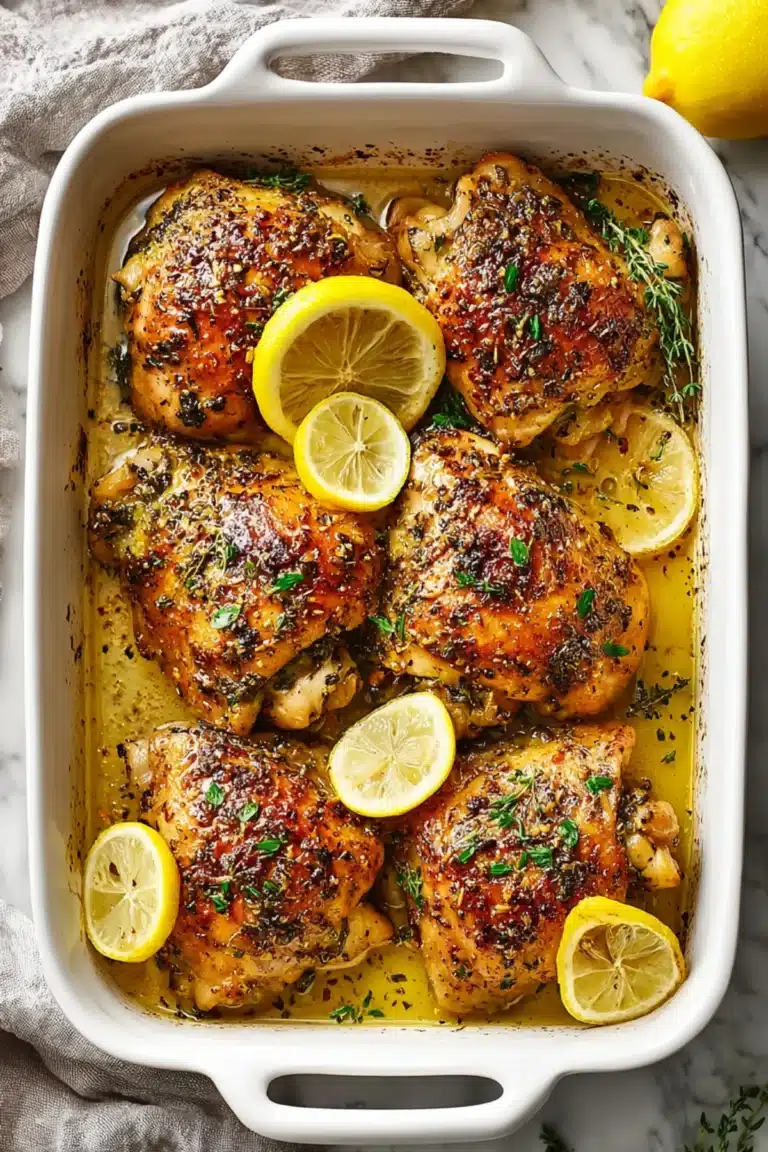
Add a burst of citrus and herbs to your dinner rotation with this Greek lemon chicken.
Health Benefits of Chicken Thighs Cooked in a Skillet
Nutritional Power of Skillet Chicken Thighs
Let’s bust a myth: chicken thighs are not unhealthy. In fact, when you cook skillet chicken thighs properly — using olive oil, herbs, and a homemade sauce — they’re incredibly nutrient-rich. Compared to chicken breasts, thighs have more iron, zinc, and B vitamins, which support immune health and energy levels.
Plus, the higher fat content in chicken thighs helps you feel fuller longer. This can reduce snacking and support better overall nutrition. Want to learn more about the nutritional value of chicken meat? Check out this chicken nutrition guide from Wikipedia.
Skillet Cooking = Healthier Than Frying
Pan-searing skillet chicken thighs uses way less oil than deep frying, making it a cleaner cooking method. The fat from the chicken skin renders out naturally, and when paired with broth, lemon juice, and fresh herbs, the sauce becomes flavorful without being heavy.
A hot cast iron skillet also seals in juices quickly, reducing the need for added fats or creamy thickeners. If you want to make your skillet chicken thighs even healthier:
- Swap heavy cream for half and half or plain Greek yogurt
- Use skinless thighs to reduce fat intake
- Add spinach or kale to the pan during the final simmer for extra fiber and vitamins
According to Harvard’s Healthy Eating Plate, balancing lean proteins with greens and healthy oils is key — and skillet chicken thighs do just that.
Skillet Chicken Thighs Variations to Try
Spicy Honey Garlic Skillet Chicken Thighs
Want a little sweet heat with your crispy chicken? Try this twist: after searing your skillet chicken thighs, stir 2 tablespoons of honey, 1 tablespoon of soy sauce, and a pinch of chili flakes into the pan sauce. Let it bubble until thick and sticky, then return the thighs to coat.
This version adds a gorgeous glaze and layers of bold flavor. The sweetness of the honey balances perfectly with the richness of the chicken thighs and the tang of lemon already in the base sauce.
Mediterranean Herb Skillet Chicken Thighs
Craving something fresh and herby? For a Mediterranean take on skillet chicken thighs, use oregano, rosemary, and a dash of lemon zest in your seasoning blend. Add chopped Kalamata olives, sun-dried tomatoes, and a few capers to the sauce.
This variation is briny, bright, and packed with healthy fats and antioxidants. You can even finish it with crumbled feta and a drizzle of olive oil for that restaurant-style finish.
Creamy Dijon Mustard Skillet Chicken Thighs
If you love tangy richness, stir in 1 tablespoon of Dijon mustard when adding the cream. The mustard sharpens the sauce’s flavor while keeping the creamy texture that makes skillet chicken thighs so comforting.
Pair with mashed potatoes or roasted cauliflower for a satisfying and elevated meal. It’s a quick upgrade that feels gourmet — no extra cooking time needed.
These skillet chicken thighs variations work because the base technique stays the same: sear, simmer, return, and serve. From spicy to herbal to creamy, you can rotate these flavors all week long and never get bored.
Looking for a creamy pasta option? Don’t miss this comforting chicken stroganoff recipe.
Common Mistakes to Avoid When Cooking Skillet Chicken Thighs
Mistake #1: Starting in a Cold Skillet
One of the easiest ways to ruin skillet chicken thighs is by placing them in a cold or barely warm pan. A cold skillet causes the skin to steam instead of sear, leaving it pale and rubbery. Always preheat your skillet for 2–3 minutes before adding oil. That high initial heat is what gives skillet chicken thighs their famous crispy skin.
Mistake #2: Flipping Too Early
Patience matters. When searing, leave the chicken undisturbed for 7–8 minutes skin side down. If you try to flip too early, the skin tears and the golden crust won’t develop. Your skillet chicken thighs need uninterrupted contact with the hot surface to build texture and flavor.
Mistake #3: Skipping the Thermometer
Undercooked or overcooked chicken ruins the whole experience. Always use a meat thermometer and check that your skillet chicken thighs hit 165°F in the thickest part. Too low, and it’s unsafe. Too high, and it dries out. Precision = perfection.
Mistake #4: Forgetting the Brown Bits
Those browned bits stuck to the pan after searing? Don’t throw them away! They’re packed with flavor. Use your chicken broth or lemon juice to deglaze the skillet and pull those bits into the sauce. It’s the secret to transforming your skillet chicken thighs from good to unforgettable.
Mistake #5: Overcrowding the Pan
Cramming too many thighs into one skillet causes steaming, not searing. The chicken releases moisture, and without space, it never crisps up. Cook in batches if needed — your skillet chicken thighs will thank you with crispy skin and even cooking.
FAQs About Skillet Chicken Thighs
How long does it take to cook chicken thighs in a skillet?
Cooking skillet chicken thighs takes about 7–8 minutes per side for bone-in thighs, depending on thickness. The internal temperature should reach 165°F for safe and juicy results.
How long to pan-fry chicken thigh pieces?
Boneless chicken thigh pieces cook faster — usually around 5–7 minutes per side in a hot skillet. Keep the heat at medium to avoid burning the outside before the inside is done.
Should I pan-fry chicken in oil or butter?
For the best skillet chicken thighs, use a combination of olive oil and butter. Olive oil handles the searing heat, while butter adds flavor and helps brown the aromatics later in the recipe.
Should I start chicken thighs in a cold pan?
No — always start skillet chicken thighs in a hot skillet. A cold pan will cause the chicken to steam instead of sear, ruining the crispy skin and golden crust you want.
Conclusion
If you’re craving a dish that’s simple, comforting, and bursting with flavor, skillet chicken thighs are your answer. Whether you’re after a weeknight dinner or an easy meal to impress guests, this one-skillet recipe checks every box. You’ve got crispy skin, juicy meat, a creamy garlic-lemon sauce, and endless ways to customize it to your mood.
Try it once — and it just might become your new favorite tradition.
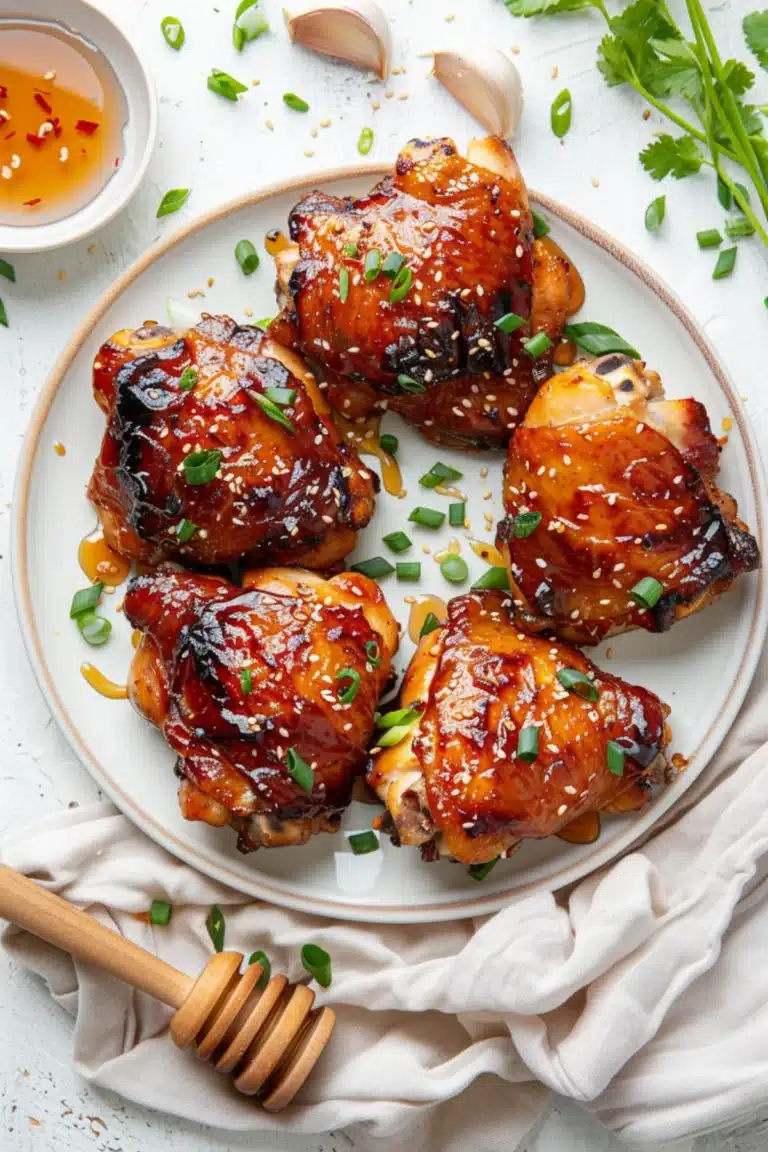
Need something easy and elegant? Try our flavorful maple mustard chicken thighs.