
Korean Lemon Balm Tea Recipe
My Grandmother’s Secret That Changed My Health
Korean lemon balm tea recipe—it started as a small ritual in my childhood.
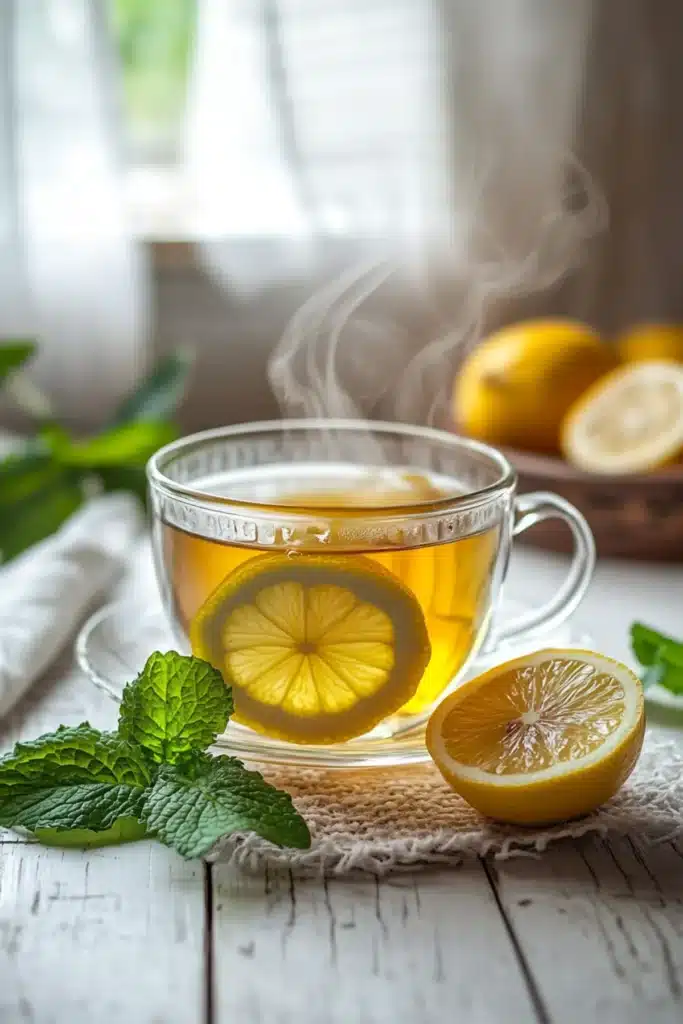
I remember watching my grandmother quietly prepare it each morning, her fingers gently crumbling the fresh green leaves into a delicate ceramic teapot. She’d look at me and say, “This tea softens the heart.”
I didn’t understand then. But years later, anxious and overwhelmed by life, I found myself craving that same warmth. One sip of this lemony, herbal infusion brought back her voice, her calm. Now, it’s more than a drink—it’s a lifeline I want to share with you.
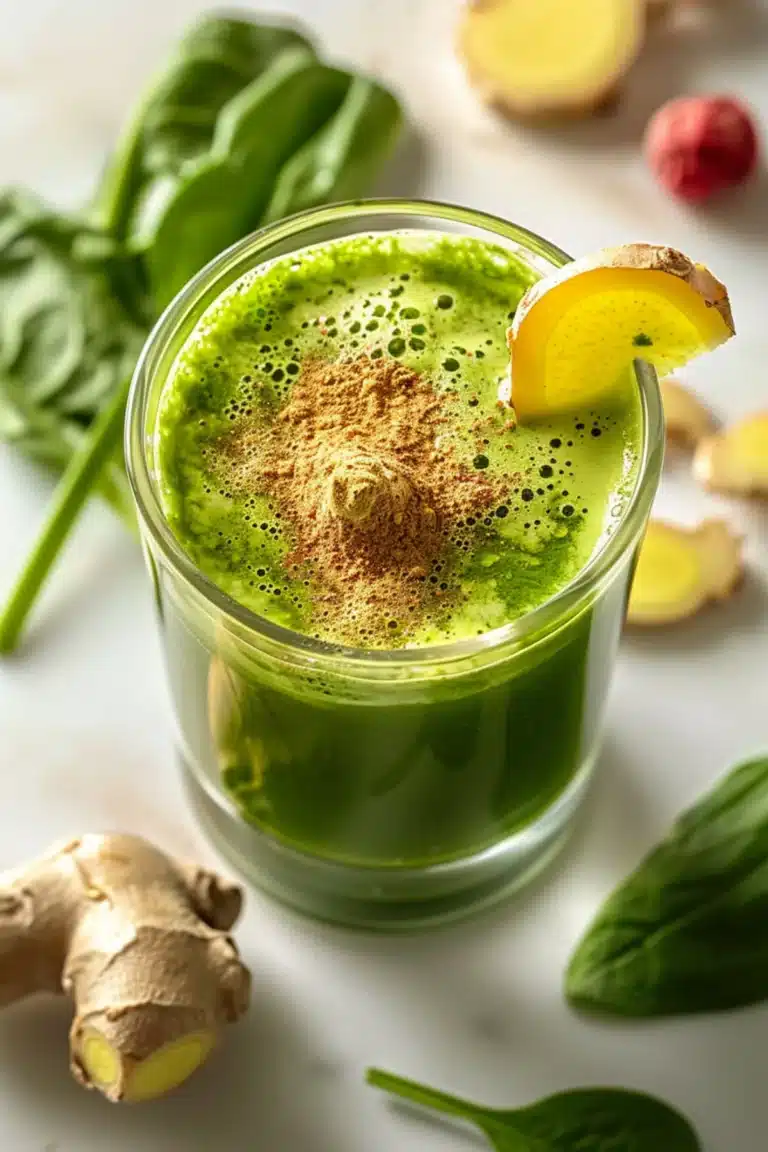
Discover more refreshing recipes in our full Detox Drinks category.
What Is Korean Lemon Balm Tea?
The Origins and Cultural Significance of Korean Lemon Balm Tea
Korean lemon balm tea is more than just a warm beverage—it’s a traditional wellness drink rooted deeply in Korean herbal medicine. Known locally as “melissa” or “lemon beom,” lemon balm (Melissa officinalis) has been cultivated in Korea for generations, particularly in regions known for clean air and rich soil.
In traditional hanbang (Korean herbal healing), lemon balm was used to calm the spirit, aid digestion, and restore inner peace. Elders would brew it to ease tension before family gatherings or offer it to guests as a sign of warmth and hospitality. This tea isn’t trendy—it’s timeless.
The subtle citrus aroma, mild minty undertone, and naturally calming properties make Korean lemon balm tea beloved across all ages. Whether served hot during winter or chilled in the summer, its versatility has earned it a place at both family tables and modern wellness cafes.
Key Characteristics of Lemon Balm and Why Koreans Love It
What sets Korean lemon balm apart is its balance of flavor and function. Unlike Western mint teas that can be sharp, lemon balm offers a soft, lemony fragrance that soothes without overwhelming the palate.
Koreans favor lemon balm because:
- It supports mental clarity without caffeine
- It’s naturally anti-inflammatory and rich in antioxidants
- It blends easily with ginger, jujube, or yuzu for seasonal variations
Lemon balm grows well in Korea’s temperate climate, especially in regions like Gangwon-do. Locals often use both fresh and dried forms depending on availability, adding this herb not only to tea but also to tonics and baths.
Korean lemon balm tea isn’t just a recipe—it’s a ritual of self-care passed down through generations.
Health Benefits of Korean Lemon Balm Tea
Anti-Stress & Mood Boosting Properties Backed by Science
One of the main reasons people love the Korean lemon balm tea recipe is its calming effect on the nervous system. Traditionally, this tea was used in Korean households to soothe stress, reduce anxiety, and promote peaceful sleep. Today, modern research backs this up. Studies show that lemon balm (Melissa officinalis) contains rosmarinic acid, a compound that boosts the brain’s GABA levels—naturally calming the mind and reducing stress.
Drinking a warm cup of Korean lemon balm tea in the evening has shown to reduce cortisol (the stress hormone) levels, improve mood, and even support cognitive clarity. It’s a popular bedtime drink for those struggling with racing thoughts or sleepless nights. Unlike caffeinated teas, it won’t keep you awake—in fact, it does the opposite.
According to the National Institutes of Health, lemon balm has anxiolytic properties and may reduce restlessness in children and adults alike. This makes it a gentle yet powerful remedy for both body and mind.
Gut Health, Sleep, and Immune Support Benefits
Another reason the Korean lemon balm tea recipe is cherished is its ability to improve digestion. In Korean herbal traditions, it was often given after meals to reduce bloating, nausea, or stomach cramps. Lemon balm stimulates bile flow, which helps break down fats and promotes smoother digestion.
Beyond digestion, lemon balm supports restful sleep by calming the nervous system. For centuries, Korean elders have turned to this tea to manage insomnia or irregular sleep cycles. Its natural sedative properties help regulate your sleep-wake rhythm—making it a bedtime ritual for many.
There’s also evidence that lemon balm boosts the immune system. It’s rich in flavonoids and polyphenols that help fight off oxidative stress and free radicals. Combined with ingredients like lemon, honey, or ginger, the Korean lemon balm tea recipe becomes a powerful immunity booster, especially during seasonal transitions.
As Wikipedia notes, lemon balm has long been used in folk medicine across Europe and Asia, often credited for its anti-viral and antibacterial properties. In Korea, it’s still used to strengthen overall vitality—especially among the elderly.
If you’re looking for a natural, safe, and delicious way to care for your body and mind, adding the Korean lemon balm tea recipe to your daily routine might be your best decision yet.
Print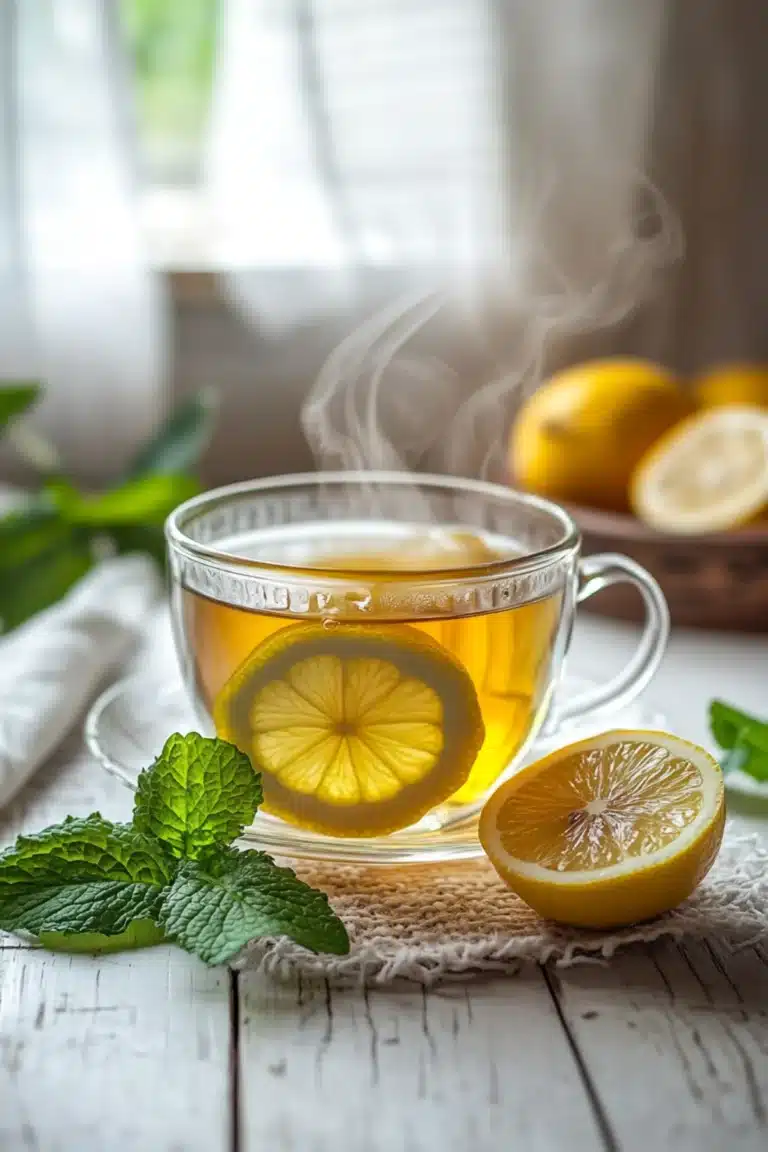
Korean Lemon Balm Tea
Calm your body, clear your mind, and refresh your soul with this traditional Korean lemon balm tea recipe. Infused with lemony-mint notes, this caffeine-free herbal tea is perfect for stress relief, sleep, digestion, and year-round wellness. Quick to brew and endlessly customizable—give this ancient Korean remedy a spot in your daily ritual.Try it once, and you’ll come back for the calm.
- Total Time: 15 minutes
- Yield: 2 cups
Ingredients
- 20 fresh lemon balm leaves (or 2 tbsp dried)
- 1 quart purified water
- 1 –2 tsp honey (optional)
- 1 –2 slices of lemon (for garnish)
- 1 –2 slices of ginger (optional, for added warmth)
Instructions
- Boil the water: In a kettle or saucepan, bring 1 quart of purified water to a boil.
- Add lemon balm: Place the fresh or dried lemon balm into a teapot or large mug.
- Pour and steep: Pour the hot water over the leaves, cover, and let steep for 10 minutes.
- Strain and sweeten: Strain the tea into cups. Add honey to taste and garnish with lemon slices.
- Serve and relax: Enjoy warm for calm or chill for a refreshing summer version.
Notes
| Nutrient | Amount |
|---|---|
| Calories | 8 kcal |
| Fat | 0 g |
| Carbohydrates | 2 g |
| Sugar | 1 g |
| Protein | 0 g |
| Sodium | 1 mg |
| Fiber | 0.2 g |
- Prep Time: 5 minutes
- Cook Time: 10 minutes
- Category: Beverage, tea
- Cuisine: Asian-Inspired, Korean
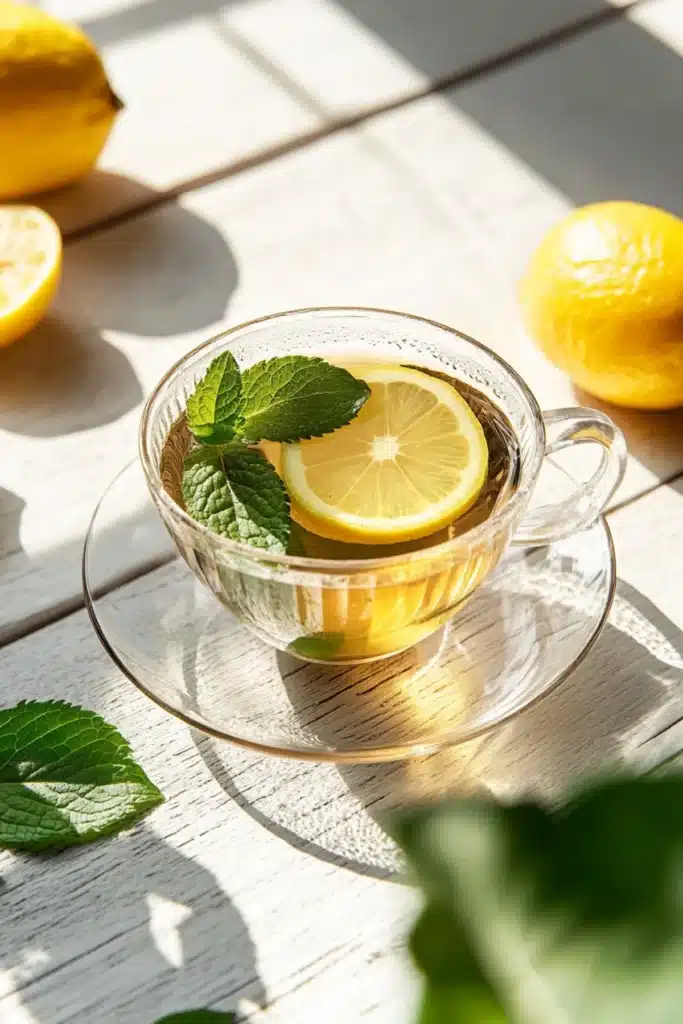
Ingredients for Korean Lemon Balm Tea Recipe
Choosing Fresh vs Dried Lemon Balm: What You Need to Know
The beauty of a traditional Korean lemon balm tea recipe lies in its simplicity—and that starts with the right leaves. You can use either fresh lemon balm leaves or dried ones, depending on what’s available. But choosing the best form is crucial to get the full flavor and benefits of this soothing Korean herbal infusion.
- Fresh lemon balm offers a brighter, citrusy aroma and higher essential oil content. It’s perfect for spring and summer brews, especially if you grow the herb in your garden.
- Dried lemon balm is more concentrated and convenient for year-round use. Just remember: for every 20 fresh leaves, use around 2 tablespoons of dried lemon balm.
In any version of the Korean lemon balm tea recipe, the freshness and quality of the herb will influence both taste and effect. Always opt for organic, pesticide-free leaves for optimal wellness and flavor.
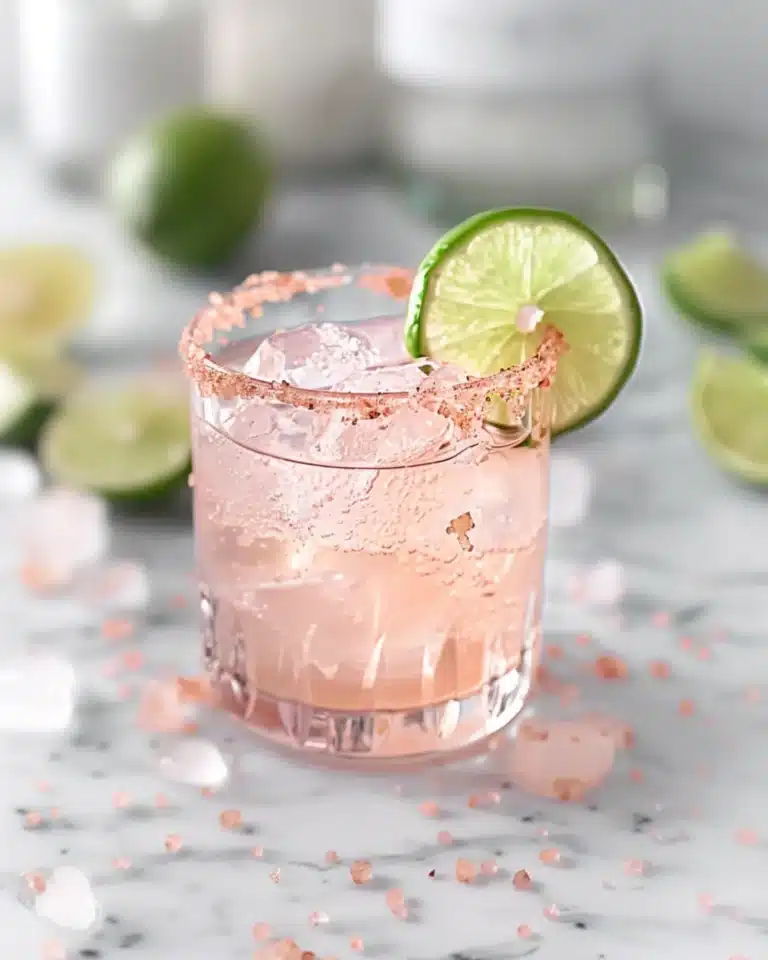
Pair this tea with the Japanese Pink Salt Recipe for a simple and effective detox combo.
Additional Ingredients (Lemon, Honey, Ginger) and Why They Matter
While the base of the Korean lemon balm tea recipe is just lemon balm and water, many Koreans elevate the drink with traditional add-ins. These ingredients do more than enhance flavor—they increase the health benefits of your tea.
- Lemon slices add vitamin C and brighten the flavor profile.
- Raw honey offers anti-inflammatory and antibacterial benefits while softening the herbal taste.
- Fresh ginger is often added to help with digestion and blood circulation.
Some even add a touch of yuja (Korean citron) to balance the tea’s cool energy with warming notes—especially during cold months.
Here’s a simple table for quick reference:
| Ingredient | Benefit | Amount Suggested |
|---|---|---|
| Lemon Balm | Calming, digestion, sleep | 20 fresh leaves or 2 tbsp dried |
| Lemon Slices | Immunity boost, fresh flavor | 1–2 slices |
| Honey | Anti-inflammatory, soothes throat | 1–2 teaspoons (optional) |
| Ginger (optional) | Improves digestion, circulation | 1–2 slices |
Whether you’re making this tea for relaxation or healing, every element of the Korean lemon balm tea recipe plays a meaningful role. Combine them thoughtfully, and you’ll create more than a beverage—you’ll craft a moment of self-care.
Step-by-Step Korean Lemon Balm Tea Recipe
Traditional Method Passed Through Generations
Preparing the Korean lemon balm tea recipe the traditional way isn’t just about steeping herbs—it’s a calming ritual that honors time, healing, and connection. This method has been passed down in Korean families for centuries and emphasizes mindfulness and simplicity.
Here’s how to prepare it using fresh or dried lemon balm:
Ingredients:
- 20 fresh lemon balm leaves (or 2 tablespoons dried)
- 1 quart of purified water
- Honey to taste (optional)
- Lemon slices for garnish
Instructions:
- Bring the water to a boil in a kettle or pot.
- Add the lemon balm leaves into a teapot or heatproof bowl.
- Gently pour the hot water over the leaves.
- Stir gently and cover with a lid to retain the aroma.
- Let it steep for about 10 minutes.
- Strain into a mug or tea cup.
- Add honey if desired and garnish with a slice of lemon or a few fresh lemon balm leaves.
This Korean lemon balm tea recipe is often enjoyed in quiet moments—early morning, before bed, or during meditation. It’s not just a drink. It’s a wellness practice.
FOR MORE RECIPES FOLLOW ME ON PINTEREST
Modern Method with Time-Saving Tweaks
If you’re on the go, don’t worry. You can still enjoy the same delicious and calming Korean lemon balm tea recipe with a faster, more efficient approach.
Here’s a simplified modern version:
Quick Method:
- Use an infuser mug or reusable tea bag.
- Add dried lemon balm directly to the filter (2 tbsp).
- Pour over boiling water and cover with a small plate.
- Let it steep for 8–10 minutes.
- Add a drizzle of honey and fresh lemon juice if desired.
This updated method retains the core benefits of the Korean lemon balm tea recipe, but it’s built for busy lives. It’s also great for workspaces or travel, offering an herbal hug whenever you need it most.
Whether you follow the old way or the new, the result is the same: a soothing, aromatic tea that relaxes your body and revives your spirit.
How to Customize Your Korean Lemon Balm Tea
Add-Ins: From Ginger to Cinnamon to Matcha
What makes the Korean lemon balm tea recipe so special is its versatility. While the classic blend of lemon balm leaves and hot water is calming on its own, there are several healthy ways to upgrade your tea—depending on your mood, the season, or your wellness goals.
Let’s explore some powerful and tasty add-ins you can stir into your next cup:
- Ginger: Add thin slices of fresh ginger to boost digestion and improve circulation. It adds a spicy kick that pairs well with lemon balm’s citrusy notes.
- Cinnamon Stick: A small stick added during the steeping process adds warmth and enhances anti-inflammatory benefits.
- Matcha Powder: For an energizing twist, stir in a quarter teaspoon of matcha. It creates a vibrant green blend while supporting focus.
- Lavender: A pinch of dried lavender buds brings floral depth and can further enhance relaxation, making it great for bedtime routines.
- Yuja (Korean citron): Popular in winter, this traditional Korean fruit adds a tart citrus flavor and plenty of vitamin C.
These additions don’t dilute the core of your Korean lemon balm tea recipe—they build on it, tailoring the drink to fit your lifestyle and your body’s needs. Try creating your own signature blend by mixing two or three of the ingredients above.
Looking for a more powerful cleanse? Try the Japanese Pink Salt with Baking Soda method.
Cold Brew Lemon Balm Tea for Summer Days
When temperatures rise, the classic Korean lemon balm tea recipe can easily be transformed into a refreshing cold brew that cools the body and boosts hydration.
Here’s how:
- Add 3 tablespoons of dried lemon balm (or 25–30 fresh leaves) into a pitcher.
- Fill with 1 quart of cold, purified water.
- Cover and refrigerate for 6–8 hours.
- Strain and serve over ice, garnished with lemon slices and mint.
You can also create iced tea cubes using the cold brew—perfect for infusing flavor into sparkling water or juice.
This cold brew variation is popular in modern Korean tea houses, often served in mason jars or glass bottles. It’s a trend, yes—but it’s one deeply rooted in centuries of herbal wisdom.
Experimenting with the Korean lemon balm tea recipe gives you a functional, flexible beverage for every season. Whether warm or chilled, spicy or sweet, each version delivers its own comfort and healing.
When and How Often to Drink Korean Lemon Balm Tea
Ideal Times of Day for Maximum Benefit
One of the most beautiful things about the Korean lemon balm tea recipe is how seamlessly it can fit into your day—whether you’re just waking up or winding down. But to maximize its benefits, timing is everything.
- Morning Calm: Start your day with a warm cup of Korean lemon balm tea to set a calm tone and ease into your schedule without caffeine-induced jitters. It gently lifts your mood and supports mental clarity.
- After Meals: Traditionally in Korea, this tea is served after meals. That’s because it supports digestion, reduces bloating, and soothes the gut. Sipping it warm can help food settle more comfortably.
- Evening Ritual: The most common time to enjoy the Korean lemon balm tea recipe is in the evening. It’s caffeine-free and contains compounds that help the brain relax and prepare for restful sleep. Add a little honey and it becomes the perfect bedtime drink.
Some people also brew a mild cold version and sip it throughout the day like a tonic, especially during stressful workweeks or travel.
FOR MORE RECIPES FOLLOW ME ON PINTEREST
Safe Daily Dosage & Herbal Rotation Tips
While the Korean lemon balm tea recipe is natural and safe for most people, moderation is key—just like with any herbal remedy.
Here’s what you should keep in mind:
| Recommended Intake | Notes |
|---|---|
| 1–2 cups daily | Safe for most adults |
| Up to 3 cups | Acceptable for short-term use (less than 2 weeks) |
| More than 3 cups | Only under guidance from a herbalist or healthcare provider |
For best results, drink Korean lemon balm tea regularly for 5–7 days, then take a short break. This rotation allows your body to benefit from the tea without developing tolerance or dependence.
Pregnant or breastfeeding? Always consult a doctor first. While lemon balm is generally safe, individual responses vary. And if you’re on thyroid medications, sedatives, or any calming prescription drugs, avoid mixing them with the Korean lemon balm tea recipe without medical advice.
When enjoyed responsibly, this tea becomes a daily act of kindness to yourself. It brings balance, comfort, and healing—cup after cup.
What Not to Mix With Korean Lemon Balm Tea
Medications and Herbs That Don’t Pair Well
While the Korean lemon balm tea recipe is widely celebrated for its calming and healing benefits, it’s important to recognize that this herbal tea can interact with certain medications and herbs. Even though it feels gentle, lemon balm contains powerful compounds that influence the nervous system, thyroid function, and even liver enzymes.
Avoid combining the Korean lemon balm tea recipe with the following:
-
Sedatives or Sleep Medications
If you’re taking prescription drugs like benzodiazepines (Xanax, Valium) or over-the-counter sleep aids, lemon balm may amplify their sedative effects—causing excessive drowsiness or brain fog. -
Thyroid Medications (Hyperthyroidism/Hypothyroidism)
Lemon balm can interfere with thyroid hormones and is often discouraged for individuals with thyroid disorders unless advised by a healthcare professional. -
Herbs Like Valerian, Kava, or Passionflower
These calming herbs have similar actions and may overly sedate the nervous system when combined with the Korean lemon balm tea recipe. This can result in fatigue or low alertness, especially during daytime hours. -
Alcohol
Combining this tea with alcohol is not advised. Both have sedative effects, and together they can impair coordination, lower blood pressure, and increase sleepiness.
If you’re unsure whether it’s safe to drink Korean lemon balm tea, consult your doctor—especially if you’re managing a chronic health condition.
Situations Where You Should Avoid It Entirely
Though generally safe for the majority of people, the Korean lemon balm tea recipe isn’t ideal in all situations. Here are a few cases when you should think twice before brewing that cup:
-
Pregnancy and Breastfeeding
There isn’t enough clinical data on lemon balm’s effects during pregnancy, so it’s better to avoid or use only under guidance from a midwife or physician. -
Scheduled Surgery
Since lemon balm affects the central nervous system, it’s best to stop drinking it at least two weeks before any surgery to prevent unexpected reactions with anesthesia. -
Children Under Age 3
While older children may safely enjoy diluted versions, infants and toddlers should avoid it due to their sensitive systems.
Understanding these limitations doesn’t take away from the magic of the Korean lemon balm tea recipe—it simply ensures you enjoy it wisely and responsibly. Just because it’s natural doesn’t mean it’s harmless in every situation.
Boost your wellness routine with this Japanese Pink Salt Recipe with Apple Cider Vinegar.
Storage Tips and Shelf Life
How to Properly Store Dried or Fresh Leaves
Whether you’re making tea with fresh garden-picked leaves or high-quality dried herbs, proper storage is key to preserving the benefits of your Korean lemon balm tea recipe. Improper storage can lead to lost aroma, reduced potency, or even spoilage.
Here’s how to store lemon balm leaves correctly:
-
Fresh Lemon Balm Leaves
Wrap unwashed leaves in a slightly damp paper towel, place them in an airtight container, and store them in the refrigerator. They’ll stay fresh for up to 5–7 days. You can also freeze the leaves in ice cube trays with a little water for longer storage—perfect for cold tea later. -
Dried Lemon Balm
Keep your dried lemon balm in a dark glass jar or metal tin away from heat, moisture, and light. A pantry or closed cabinet works best. Stored properly, dried lemon balm can last up to 12 months without losing its medicinal qualities.
Remember, no matter the form, storing your herbs correctly will keep your Korean lemon balm tea rich in flavor and health-boosting properties.
Brewed Tea Storage: Glass Jars, Refrigeration, and Freezing
Once you’ve prepared a batch of your favorite Korean lemon balm tea recipe, you may wonder how long it lasts—and how to store leftovers.
-
In the Refrigerator:
Brewed tea should be cooled to room temperature, poured into a glass jar or bottle with a lid, and stored in the fridge. It will stay fresh for up to 3 days. For best flavor, consume within 48 hours. -
In the Freezer:
For longer storage, pour your tea into ice cube trays and freeze. These cubes can be added to smoothies, juice, or water for a refreshing herbal boost. Frozen Korean lemon balm tea cubes last up to 2 months.
| Tea Storage Method | Shelf Life | Best Container |
|---|---|---|
| Fresh Leaves | 5–7 days (fridge) | Airtight container |
| Dried Leaves | Up to 12 months | Opaque jar or tin |
| Brewed Tea | 2–3 days (fridge) | Glass jar or bottle |
| Frozen Tea Cubes | Up to 2 months | Ice cube tray |
Don’t forget to label your jars with dates to avoid confusion and track freshness. It’s a small step that keeps your Korean lemon balm tea recipe effective, safe, and always ready to serve.
Comparing Korean Lemon Balm Tea to Other Herbal Teas
Lemon Balm vs Chamomile, Mint, and Green Tea
The Korean lemon balm tea recipe isn’t the only herbal option out there—but it certainly stands out. Let’s compare it to other popular teas to highlight what makes it unique and when it might be the best choice for your needs.
| Tea Type | Best For | Flavor Profile | Caffeine | Unique Benefit |
|---|---|---|---|---|
| Lemon Balm | Stress, digestion, sleep | Light, lemony, minty | No | Calms the nervous system |
| Chamomile | Sleep, anxiety | Floral, apple-like | No | Mild sedative for deep sleep |
| Peppermint | Digestion, alertness | Cooling, sharp mint | No | Relieves bloating & cramping |
| Green Tea | Energy, metabolism | Earthy, bitter | Yes | Contains antioxidants & caffeine |
What gives the Korean lemon balm tea recipe an edge is its perfect balance: it calms the body like chamomile, supports digestion like peppermint, and still feels light and fresh. Plus, its adaptability—served hot or cold—makes it a year-round favorite in Korean homes.
Green tea, though popular, comes with caffeine, which isn’t ideal for everyone. Chamomile can sometimes cause allergic reactions in people sensitive to daisies. Meanwhile, Korean lemon balm tea tends to be gentle, effective, and safe for most users.
Which One Fits Your Wellness Goals?
Choosing the right tea depends on what your body needs most:
- Struggling with sleep or stress? Go with the Korean lemon balm tea recipe or chamomile.
- Dealing with indigestion? Lemon balm or peppermint will do the trick.
- Need energy or metabolism support? Green tea’s your choice—but not before bed.
Another advantage of the Korean lemon balm tea recipe is how easily it can be customized to meet multiple goals at once. Add ginger for gut support, honey for immune health, or lemon for vitamin C. Few other teas offer this kind of flexibility without compromising on flavor or function.
So while every tea has its strengths, Korean lemon balm tea shines as an everyday wellness ally—gentle, powerful, and rooted in centuries of Korean herbal tradition.
Frequently Asked Questions
How do you make Korean lemon balm tea?
Can I drink lemon balm tea every day?
What not to mix with lemon balm tea?
How to make the drink lemon balm?
Why Korean Lemon Balm Tea Deserves a Spot in Your Life
The Korean lemon balm tea recipe is more than a trendy herbal drink—it’s a centuries-old wellness tradition wrapped in a warm cup. From calming your nerves to aiding digestion and improving sleep, this tea offers gentle, effective support for your daily life.
Its simplicity makes it accessible. Its adaptability makes it personal. Whether you’re crafting the traditional version passed down from Korean grandmothers or putting a modern twist on it with citrus and ginger, this recipe is a ritual worth embracing.
Let it become your pause in a busy day. Let it be your comfort at night. Let it connect you to generations of healing wisdom—one sip at a time.
FOR MORE RECIPES FOLLOW ME ON PINTEREST