Goat Milk Ice Cream: A Creamy Dream I Had to Try
Goat milk ice cream was never on my radar—until a summer afternoon in my grandma’s backyard changed that.
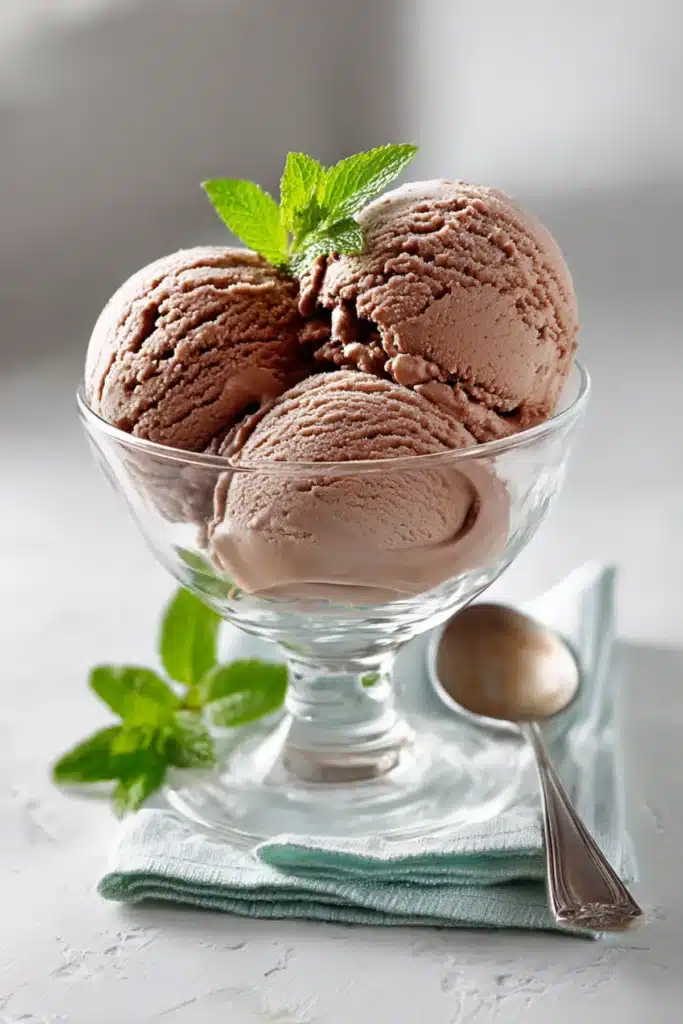
I remember the air being warm, the sky teasing rain, and my curiosity peaking when someone brought out a small tub of goat milk ice cream with chunks of dark chocolate glistening in the sun.
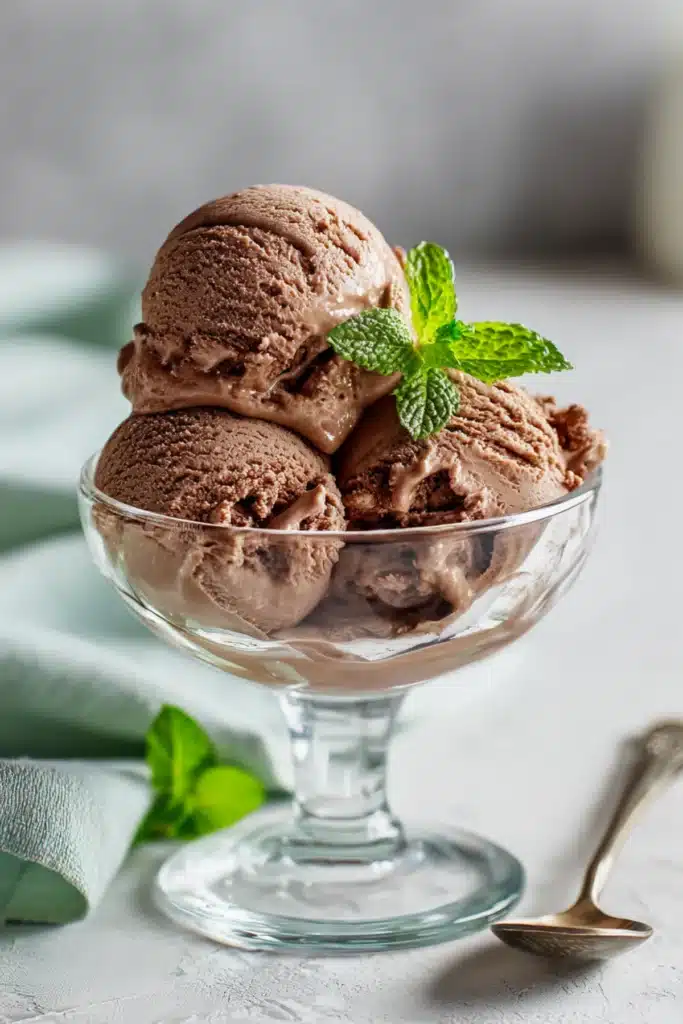
I was skeptical, even hesitant, but one spoonful… and I was hooked. That flavor? Bold, creamy, slightly tangy, and utterly unforgettable.
Since that day, I’ve been experimenting in my own kitchen, chasing that same rich texture and flavor. And after lots of trial and error—melting chocolate too soon, over-churning the base—I cracked it.
Now, I’m excited to show you how to make goat milk ice cream that’s not just delicious, but downright irresistible.
Discover more refreshing scoops in the Ice Cream section of our dessert corner.
FOR MORE RECIPES FOLLOW ME ON PINTEREST
Ready to churn up some magic?
Print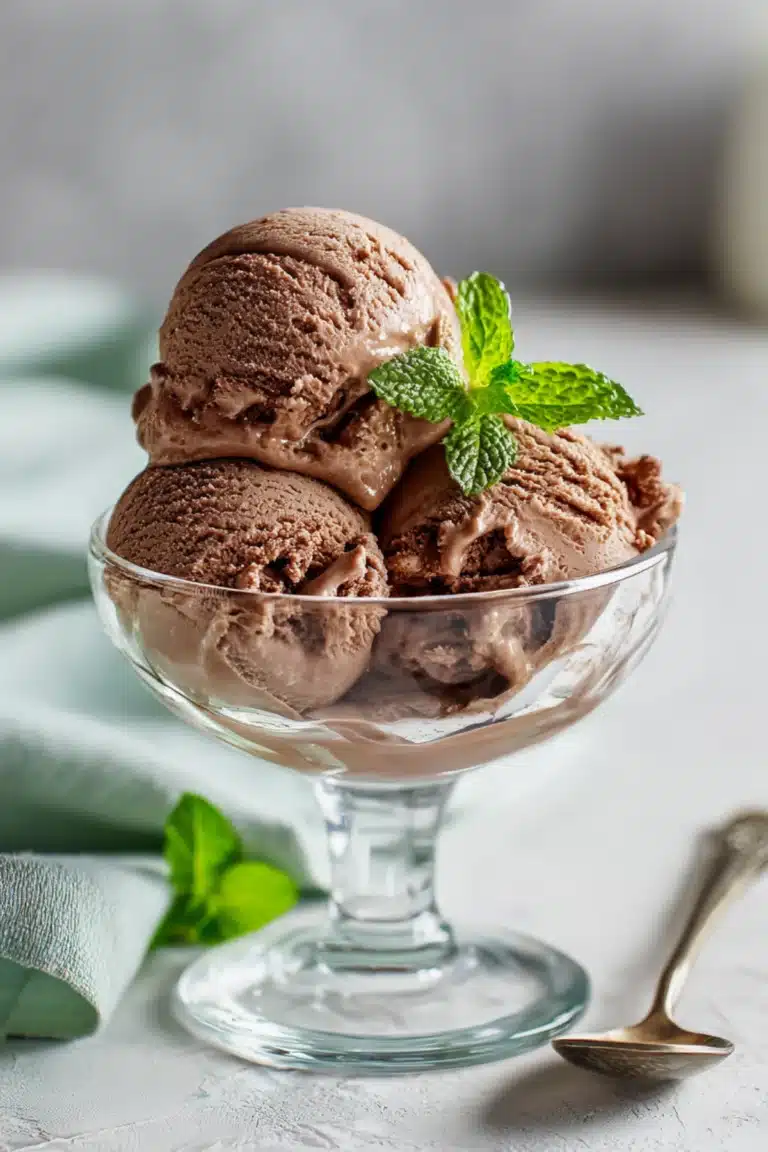
Goat Milk Ice Cream with Chocolate – Creamy, Tangy, Irresistible
A decadent homemade ice cream crafted with goat’s milk, rich dark chocolate, and a silky custard base. Perfect for those seeking a lactose-friendly dessert that doesn’t sacrifice flavor or creaminess.
- Total Time: 4 hours 45 minutes
- Yield: 6 scoops
Ingredients
- 3 cups pasteurized goat’s milk
- 1 cup heavy cream
- 3.5 oz dark chocolate (chopped)
- 5 egg yolks
- ¾ cup granulated sugar (¼ cup + ½ cup)
- 1 tsp vanilla extract
Instructions
Simmer the Base
- In a heavy-bottomed pot, combine goat’s milk, heavy cream, ¼ cup sugar, and chopped dark chocolate. Heat over medium, stirring, until chocolate melts and the mixture simmers. Remove from heat.
Temper the Yolks
- In a separate bowl, whisk egg yolks with the remaining ½ cup sugar. Slowly whisk in 1 cup of the hot milk mixture to temper the eggs, then add another cup. Pour yolk mixture back into the pot.
Thicken the Custard
- Return to medium-low heat, stirring constantly until the mixture thickens and coats the back of a spoon. Do not boil. Strain the custard into a clean bowl.
Chill the Mixture
- Cool the custard completely in the fridge for at least 4 hours or overnight. Stir occasionally to prevent skin from forming.
Churn the Ice Cream
- Once fully chilled, pour the custard into your ice cream machine. Churn for 20–25 minutes or until it reaches a soft-serve consistency.
Freeze & Serve
- Transfer to a freezer-safe container, cover with parchment or plastic wrap, and freeze 2–4 hours before serving.
Notes
Nutrition Information (Per Serving)
| Nutrient | Amount |
|---|---|
| Calories | 265 kcal |
| Total Fat | 18g |
| Saturated Fat | 10g |
| Carbohydrates | 23g |
| Sugars | 20g |
| Protein | 6g |
| Cholesterol | 140mg |
| Sodium | 45mg |
| Fiber | 1g |
| Calcium | 180mg |
- Prep Time: 30 minutes
- Cook Time: 15 minutes
- Category: Dessert, Frozen Treat
- Cuisine: American
Why Goat Milk Ice Cream is Taking Over Freezers
The Nutritional Power of Goat Milk Ice Cream
Goat milk ice cream isn’t just a creamy treat—it’s also surprisingly nutrient-rich. Compared to traditional cow milk ice cream, goat milk ice cream is easier to digest and packed with calcium, potassium, and essential fatty acids. It’s especially popular among those who are sensitive to cow’s milk but still want that indulgent scoop.
What makes goat milk so unique? Its fat globules are smaller, which means the ice cream made from it has a naturally smoother, silkier mouthfeel. Plus, it’s lower in lactose, making it a go-to for people with mild lactose intolerance.
If you’re trying to add more probiotics or need a dairy option that’s less inflammatory, goat milk ice cream is a delicious solution.
Flavor Profile: Tangy, Creamy, and Addictively Different
The flavor of goat milk ice cream can’t be compared to standard dairy desserts. It has a distinctively tangy edge that balances beautifully with sweet add-ins like honey, berries, or chocolate. This slight sharpness brings a rich complexity to every bite.
Once you’ve tried it, that soft, subtle tartness becomes the reason you crave it. And the texture? Thanks to goat milk’s structure, it stays creamy longer and doesn’t ice up as quickly as traditional options.
It’s a bold twist on classic flavors—but one that people are falling in love with quickly.
Looking for another creative twist? Try our Black Walnut Ice Cream — bold and nostalgic!
How to Choose the Best Goat Milk for Ice Cream
Raw, Pasteurized, or Ultra-Pasteurized: What’s Best for Goat Milk Ice Cream?
If you’re making goat milk ice cream at home, choosing the right type of goat milk is step one—and it makes all the difference. Raw goat milk might sound appealing for its natural nutrients, but it can be tricky and even unsafe if not handled correctly. Ultra-pasteurized milk, on the other hand, is heated so high that it often loses its fresh flavor and ability to thicken properly in ice cream bases.
Pasteurized goat milk is the sweet spot. It keeps most of its natural nutrients and clean taste, while giving you the safety and consistency needed for homemade goat milk ice cream. This type balances flavor and function perfectly—especially when combined with cream and sugar.
I personally tried all three in search of the perfect batch. Raw gave a funky twist, ultra-pasteurized fell flat, but pasteurized? Smooth, light, and exactly what my tastebuds were after.
Freshness & Source: Why Local Goat Milk Wins Every Time
Not all goat milk is created equal. If you want your goat milk ice cream to shine, start with the freshest milk you can find. Local farms, co-ops, or specialty dairy stores often carry small-batch goat milk that tastes cleaner and less “goaty.”
The breed of goat also plays a role—Nubian goats tend to produce milk with a higher butterfat content, giving your ice cream a richer, creamier finish. Always check the label, ask the farmer if you can, and don’t underestimate smell—good goat milk should smell clean, not sour.
And storage? Always keep it cold. Ice cream made from milk that’s even slightly “off” will have a funky undertone that ruins the final scoop.
For a nutty-sweet treat, our Pinon Ice Cream is a Southwestern delight.
Goat Milk Ice Cream Ingredients & Their Creamy Purpose
Goat’s Milk: The Star of the Show
The foundation of every batch of goat milk ice cream is, of course, goat’s milk. You’ll need 3 cups of it to get that slightly tangy, deeply creamy taste that sets this ice cream apart from anything else. Goat’s milk not only delivers an ultra-smooth texture but also brings out a natural sweetness that blends beautifully with chocolate or fruit.
Its smaller fat particles help the base churn into a softer, silkier scoop—even when stored in the freezer for days. If you’re looking for a lower-lactose, tummy-friendly dessert, goat milk ice cream checks all the boxes without sacrificing flavor.
Heavy Cream: The Secret to Scoopable Silkiness
Paired with goat’s milk, 1 cup of heavy cream creates the creamy texture that makes this goat milk ice cream irresistible. Cream adds extra fat, which reduces ice crystals and keeps the base luscious. Want an ultra-rich version? Try using goat cream if you can find it—it amplifies the flavor while staying true to the theme.
For those wanting a lighter version, half-and-half can work too, but expect slightly more iciness in the final scoop.
Dark Chocolate: Decadent & Deeply Satisfying
Using 3.5 oz of good-quality dark chocolate chopped finely ensures smooth melting. This chocolate isn’t just a mix-in—it’s melted directly into the milk to infuse a deep, intense flavor from the first bite. Whether you’re a milk chocolate fan or a cacao purist, using dark chocolate here is key for balance. Goat milk ice cream pairs beautifully with bold chocolate, letting both flavors shine.
Craving something light and portable? You’ll love the Coolish Ice Cream Recipe.
Egg Yolks: Silky Texture & Custard Body
Five egg yolks may seem like a lot, but they’re the key to turning this dessert into a true custard-based goat milk ice cream. Yolks emulsify the milk and cream mixture, creating a luxurious mouthfeel while also stabilizing the ice cream. They help it stay creamy in the freezer and prevent icy crystals from ruining the texture.
Tempering the eggs is important. If you’ve never done it before, just whisk a bit of the warm milk into the yolks first—this keeps them from scrambling.
Sugar: Sweetness in Stages
You’ll need 3/4 cup sugar, but split into 1/4 cup and 1/2 cup portions. The first part is added with the milk and chocolate to dissolve early, while the second is whisked into the egg yolks. This method creates better texture and helps maintain structure during the churning phase.
Feel free to swap white sugar with coconut sugar, maple syrup, or even monk fruit sweetener for a refined sugar-free version—but remember, it may affect freezing and softness.
Vanilla Extract: Rounding It All Out
That final teaspoon of vanilla extract adds depth, softens the chocolate’s bitterness, and ties the goat milk’s tangy notes into a well-rounded, luxurious profile. It’s a finishing touch that transforms the base into a gourmet-level dessert.
Step-by-Step Guide to Making Goat Milk Ice Cream at Home
Step 1: Simmer the Goat Milk, Cream & Chocolate Together
Begin by adding 3 cups of goat’s milk, 1 cup of heavy cream, 1/4 cup of sugar, and your chopped dark chocolate into a heavy-bottomed saucepan. Turn the heat to medium and whisk slowly as the mixture warms up. The goal here is to bring everything to a gentle simmer—not a full boil.
As the chocolate melts into the milk, the aroma becomes rich and complex. You’ll see the mix take on a silky, mocha-like color. This is the base that will define your goat milk ice cream’s unique taste and smooth texture.
Step 2: Temper the Egg Yolks Carefully
In a medium bowl, whisk together the five egg yolks and the remaining 1/2 cup sugar until thick and pale. Now here comes the critical move: tempering.
Ladle about one cup of your hot milk mixture into the egg yolks while whisking continuously. This slowly raises their temperature without scrambling them. Do it again with another cup, then pour the tempered yolk mixture back into the saucepan.
This step ensures your goat milk ice cream base is rich and custardy, not gritty or broken.
Step 3: Cook to Thicken Without Curdling
Return the saucepan to medium-low heat. Stir continuously with a wooden spoon or silicone spatula. Keep an eye on the back of the spoon—once the custard coats it and holds a line when you run your finger through it, it’s ready.
Don’t overcook or let it boil! If your goat milk ice cream base curdles now, it can be tough to save.
Immediately strain the thickened base through a fine mesh sieve into a clean bowl. This removes any accidental bits of cooked egg and ensures your base is perfectly smooth.
Chocolate and marshmallow fans should check out the Tin Roof Sundae Ice Cream, packed with crunch and cream.
Step 4: Cool the Base Completely Before Churning
Place your bowl of strained custard into the refrigerator and let it cool for at least 4 hours, or preferably overnight. Stir occasionally to keep it smooth. Goat milk ice cream benefits from a cold base—it helps your machine churn more efficiently and produces a creamier texture.
You can even set the bowl over an ice bath for faster chilling if you’re in a rush.
Step 5: Freeze in Your Ice Cream Machine
Once chilled, pour the base into your ice cream machine and churn according to your machine’s instructions. You’ll see it thicken and fluff up after about 15–25 minutes. Taste as you go—it’s a great way to catch the perfect consistency.
Transfer the churned goat milk ice cream into a freezer-safe container, smooth the top, and freeze it for at least 2–4 hours to harden fully.
Pro Tips to Elevate Your Goat Milk Ice Cream Game
Add Mix-Ins at the Right Time for Perfect Texture
It’s tempting to toss in chocolate chips, caramel swirls, or chopped fruit early, but don’t do it too soon. If you add mix-ins before the goat milk ice cream finishes churning, they’ll sink to the bottom or disrupt the freezing process.
Instead, fold in your add-ins during the final 1–2 minutes of churning—or even after. This keeps them evenly distributed and preserves texture. Crushed nuts, toffee bits, or even cookie dough chunks pair wonderfully with the mild tang of goat milk.
Goat milk ice cream is naturally smooth and delicate, so bold, crunchy mix-ins work beautifully as contrast.
Store Goat Milk Ice Cream in Shallow Containers
To prevent ice crystals from forming, store your goat milk ice cream in shallow, wide containers. This ensures quicker freezing, which maintains a creamier texture. Always press a piece of parchment paper or plastic wrap directly onto the surface before sealing the lid—this limits air exposure and keeps flavors fresh.
Also, try to enjoy it within one week for the best flavor and texture. Goat milk has a softer fat structure, which can degrade more quickly than cow’s milk in long-term storage.
Infuse New Flavors with Steeped Ingredients
Want to get creative with your goat milk ice cream flavor profile? Steep herbs, spices, or even teas in the milk before making your base. Rosemary, mint, lavender, chai, or earl grey can add gourmet complexity.
Here’s how: After heating the goat milk and cream (before adding sugar or chocolate), drop in your chosen herb or spice and let it steep for 10–15 minutes, then strain. This simple move unlocks endless custom flavor combinations.
Avoid Over-Churning for Best Consistency
Churning too long may seem harmless, but it can actually create a grainy or buttery texture. Once your goat milk ice cream reaches a soft-serve consistency, it’s done. Any more time and you risk breaking the emulsion.
If you’re using an old-fashioned machine, listen for when the motor slows—that’s your cue. With a modern one, just check the texture visually. It should be thick, fluffy, and scoopable.
Common Mistakes to Avoid When Making Goat Milk Ice Cream
Using the Wrong Type of Goat Milk
One of the biggest rookie mistakes? Grabbing the wrong kind of goat milk. While raw goat milk can sound like a cool, “farm-to-table” option, it can throw off your flavor and lead to unsafe results if not properly handled. Ultra-pasteurized goat milk is another no-go—it’s been heated to such a high temp that it can’t thicken your ice cream base properly.
Stick with regular pasteurized goat milk. It gives your goat milk ice cream the perfect balance between flavor, creaminess, and structure—no strange aftertaste, no curdling, and no frustration.
Skipping the Straining Step
After you temper the egg yolks and cook the custard, always run it through a fine mesh strainer. Why? Even the best chefs sometimes scramble tiny bits of egg during cooking. If you skip this, you risk a gritty or lumpy texture in your final batch.
This step takes less than a minute but gives you that ultra-smooth, silky base that makes goat milk ice cream shine.
Not Chilling the Base Long Enough
Your ice cream base should be ice-cold before hitting the machine. Rushing this step can lead to icy texture, uneven churning, and bland flavor. Remember, cold base = creamy scoop.
Refrigerate your base for at least 4 hours, or better yet, overnight. You’ll be rewarded with better volume, texture, and richness.
Overpowering Goat Milk with Too Many Flavors
It’s easy to overdo it with extracts or mix-ins, especially if you’re used to masking stronger dairy flavors. But part of what makes goat milk ice cream special is its subtle tang and clean finish.
Let it shine. Avoid drowning it in heavy syrups, artificial flavors, or more than one bold mix-in. A scoop of goat milk ice cream should taste like exactly that—not like a sugar bomb.
Not Understanding Your Ice Cream Machine
Every machine is a little different. Don’t just dump and pray—read the manual. Some require pre-freezing of the bowl; others need slower pour-ins. If your goat milk ice cream is turning out too soft or not freezing at all, the issue might be the equipment, not your base.
A tip? Always test with a small batch first to understand how your machine behaves with goat milk.
Creative Goat Milk Ice Cream Flavor Ideas & Variations
Honey Lavender Goat Milk Ice Cream
This elegant flavor is a fan favorite among artisan ice cream lovers. Just steep dried culinary lavender in your milk and cream before adding sugar or eggs. The floral notes soften goat milk’s natural tang, while honey adds a rich, earthy sweetness.
Use local wildflower honey if you can—its complex flavors layer beautifully with goat milk ice cream, making each spoonful feel like spring in a scoop.
Roasted Fig & Balsamic Swirl
Figs and goat cheese are a known pairing—so why not figs and goat milk ice cream? Roast fresh figs with a dash of sugar, then swirl them into your churned base along with a thick balsamic reduction.
The result? A rich, fruity dessert with tangy-sweet layers and a jammy finish. Perfect for adults who want more from their frozen treats.
Dark Chocolate Orange Zest
Want something bold and luxurious? Stir finely grated orange zest into your chocolate-infused goat milk ice cream base. The citrus cuts through the richness, adding brightness that lifts every bite.
You can also infuse the milk with cinnamon sticks or cardamom to give this combo even more depth.
Salted Caramel Goat Milk Ice Cream
Drizzle homemade salted caramel into your churned goat milk ice cream, then swirl just before freezing. The sweet and salty combo plays beautifully with the tang of goat dairy.
Use flaky sea salt for the best texture—and avoid table salt, which can taste too harsh. This flavor works especially well served with warm brownies or a slice of buttery apple pie.
Lemon Basil Sorbet-Style Twist
If you want something lighter but still crave that creamy goat milk base, try blending fresh lemon juice and finely chopped basil into a more sorbet-like version. Use less cream and skip eggs to make it icy, refreshing, and ideal for summer.
It’s a surprising combo that refreshes the palate while keeping goat milk ice cream at the center of attention.
Health Benefits of Goat Milk Ice Cream vs Cow Milk Ice Cream
Easier Digestion for Sensitive Stomachs
One of the most compelling reasons people are switching to goat milk ice cream is digestibility. Goat milk contains less lactose than cow milk, making it easier on the digestive system for those with mild lactose intolerance.
Additionally, goat milk’s fat globules are smaller and naturally homogenized, so your body breaks them down more quickly. This makes goat milk ice cream a smart option if dairy tends to leave you feeling bloated or uncomfortable.
People who avoid cow milk for digestive reasons often find they can enjoy goat milk ice cream with no issues—and that means dessert is finally back on the table.
Lower Allergen Potential & Less Inflammation
Cow milk contains a protein called A1 casein, which can trigger inflammation or allergic reactions in some individuals. Goat milk, however, mostly contains A2 casein, which is much gentler on the gut and far less inflammatory.
This difference can be a game-changer for people with food sensitivities, IBS, or inflammatory conditions. Switching to goat milk ice cream offers a way to still indulge in creamy, frozen treats without the common aftermath of traditional dairy desserts.
High in Calcium, Potassium & Healthy Fats
You might think you’re sacrificing nutrients by switching from cow milk—but that’s not the case. Goat milk ice cream is actually rich in calcium, essential for bone health, and packed with potassium, which helps regulate blood pressure and support muscle function.
Goat milk also contains a higher level of medium-chain fatty acids (MCFAs) compared to cow milk. These fats are more easily digested and metabolized by the body, giving you a quick source of clean energy.
Supports Better Cholesterol Balance
Research has shown that goat milk may help raise levels of HDL (good) cholesterol while lowering LDL (bad) cholesterol. This makes goat milk ice cream a smart indulgence for people monitoring their heart health.
While moderation is still key, making your frozen dessert from goat milk gives you a better nutritional edge than traditional, sugar-loaded store-bought varieties.
Goat Milk Ice Cream FAQs – Answering What Everyone’s Asking
Is goat milk ice cream healthier than cow milk ice cream?
Can people with lactose intolerance eat goat milk ice cream?
What does goat milk ice cream taste like?
How do I keep goat milk ice cream from getting icy?
Can I make goat milk ice cream without an ice cream maker?
Does goat milk ice cream taste like goat cheese?
Why Goat Milk Ice Cream Is More Than Just a Trend
From its creamy texture and unique tang to its gut-friendly benefits and endless flavor possibilities, goat milk ice cream isn’t just a fun alternative—it’s a true culinary upgrade. Whether you’re chasing a nostalgic moment like I did or simply looking for a digestible, nutrient-rich treat, goat milk ice cream checks every box.
It’s delicious, different, and surprisingly easy to make at home. With the right ingredients, some patience, and a little creativity, you can whip up a dessert that’s both gourmet and gut-friendly. The next time you’re craving ice cream, skip the grocery aisle—start with goat milk.
FOR MORE RECIPES FOLLOW ME ON PINTEREST