
Ginger Bug Soda Recipes
A Sweet Memory of Ginger Bug Soda
Ginger bug soda recipes always remind me of warm afternoons in my grandmother’s kitchen. I was just a kid, watching her smile as she stirred a bubbly jar of ginger, sugar, and water.

She said, “This is the kind of magic you can taste.” That memory stuck with me, and years later, I started experimenting with my own ginger bug soda.
The fizz, the tangy sweetness, and the natural probiotic benefits made me fall in love with it all over again. If you’re looking for a homemade soda that’s both healthy and full of character, these ginger bug soda recipes will spark your taste buds and curiosity.
Understanding Ginger Bug Soda
What is Ginger Bug Soda?
Ginger bug soda is a naturally fermented drink made with a “starter” called a ginger bug. This starter is a mix of fresh ginger, sugar, and water, left to ferment until it develops wild yeast and beneficial bacteria.
When combined with sweetened liquids like fruit juice or herbal teas, it naturally carbonates, creating a fizzy, healthy soda.
Unlike commercial sodas loaded with artificial ingredients, ginger bug soda recipes rely on wild fermentation for a natural, probiotic-rich drink that’s good for digestion and energy.
The History and Origin of Ginger Bug Recipes
The concept of fermenting ginger to create soda has deep roots. Traditional cultures across Asia and Africa used wild fermentation for centuries to preserve drinks and improve gut health.
Ginger bug soda recipes evolved as a home-based method to make refreshing beverages without chemical additives.
This ancient technique, revived by modern homebrewers and fermentation enthusiasts, is now a trending favorite among health-conscious individuals.
Print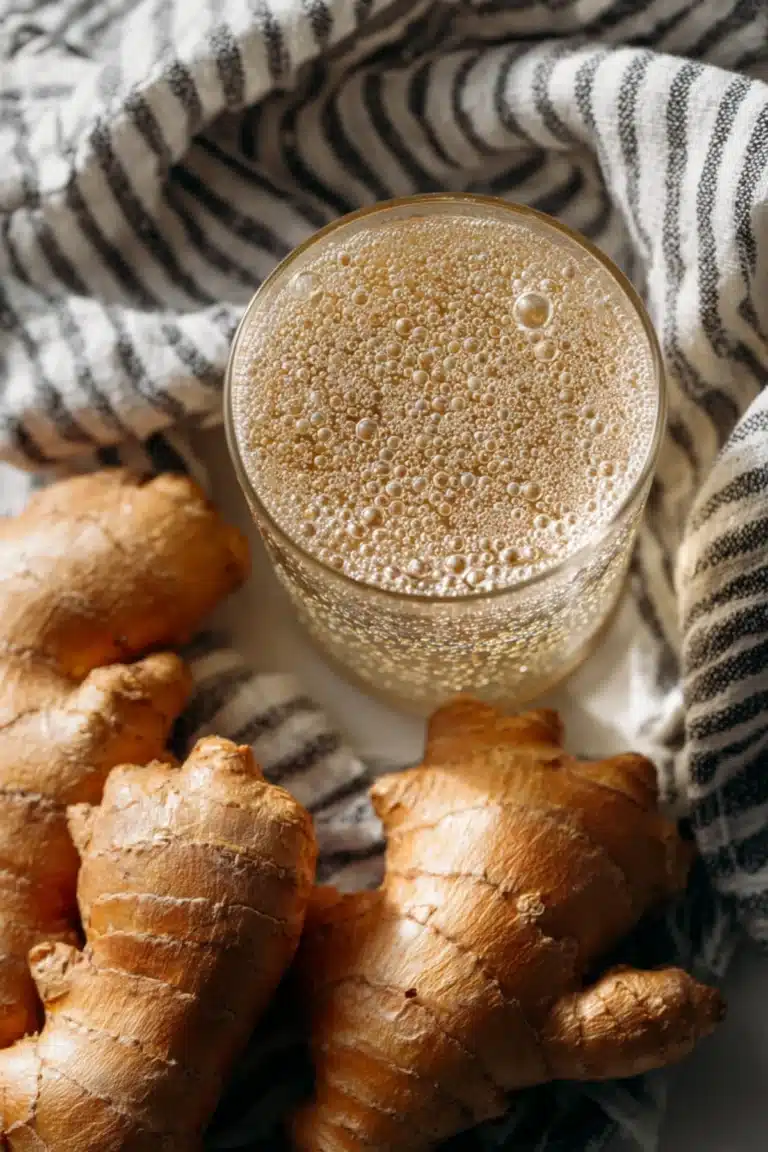
Ginger Bug Soda Recipes
This ginger bug soda recipe is a naturally fermented, probiotic-rich beverage made from a ginger bug starter, sugar, and water. The result is a lightly sweet, fizzy drink that’s refreshing and packed with health benefits. Perfect as a healthy alternative to store-bought sodas, it’s simple to make and can be customized with fruits, spices, or herbs.
- Total Time: 3–7 days (including fermentation)
- Yield: Approximately 4 servings (1 liter).
Ingredients
For 1 liter of ginger bug soda:
-
3 ½ cups (840 ml) water, fruit juice, or brewed tea
-
3–6 tablespoons (36–72 g) sugar (white sugar or coconut palm sugar)
-
¼ cup (60 ml) active ginger bug starter
-
Spices, fruit, or herbs for flavor (optional – e.g., lemon slices, mint, cinnamon stick)
Instructions
-
Mix Ingredients – In a clean 1-liter glass jar, combine 3 ½ cups of water or juice, 3–6 tablespoons of sugar, and ¼ cup of ginger bug starter. Stir until the sugar fully dissolves.
-
Add Flavors – Mix in fruits, citrus zest, or spices if desired for extra flavor.
-
First Fermentation – Cover the jar with a cloth or coffee filter secured by a rubber band. Place it in a warm, dark place and ferment for 3–5 days, stirring once daily.
-
Strain and Bottle – Once you see active bubbling, strain the liquid into swing-top bottles or BPA-free plastic soda bottles.
-
Second Fermentation – Seal and ferment at room temperature for 3–7 days to build carbonation. “Burp” the bottles every 48 hours to release excess gas.
-
Refrigerate and Serve – When your soda is fizzy, move it to the fridge. Serve cold over ice with a slice of lemon or mint for a refreshing twist.
Notes
-
The ginger bug starter must be active and bubbly before you begin.
-
Always use non-chlorinated water to prevent killing the beneficial bacteria.
-
Add extra sugar before bottling if you want a stronger fizz.
-
Homemade ginger bug soda tastes best within 4 weeks of bottling.
-
Mold is uncommon but possible if utensils aren’t clean — discard and restart if you see fuzzy patches.
- Prep Time: 10
- Category: Beverages
- Method: Fermentation
- Cuisine: International
- Diet: Gluten Free
Key Ingredients for Ginger Bug Soda Recipes
Essential Ingredients for a Perfect Brew
The foundation of all great ginger bug soda recipes lies in a few simple, natural ingredients. You’ll need fresh ginger root, water, and a sugar source.
Ginger provides the natural wild yeast and bacteria essential for fermentation. It’s best to use organic, unpeeled ginger since the skin holds many of the beneficial microbes. Water should be chlorine-free, as chlorine can disrupt the fermentation process.
Sugar is crucial because it feeds the beneficial bacteria in the ginger bug starter, allowing your soda to become naturally fizzy. Common sugars include white sugar, coconut palm sugar, or a mix of both, each adding its own subtle flavor profile.
A basic ratio often used in ginger bug soda recipes is:
- 3 ½ cups of water or brewed tea
- 3 to 6 tablespoons of sugar
- ¼ cup of ginger bug starter
These ingredients create a flavorful base while giving your soda the proper carbonation during fermentation.
Best Sweeteners and Natural Flavors to Use
While plain sugar is necessary for starting the fermentation, you can enhance your ginger bug soda with natural sweeteners and flavor additions. Consider adding fresh fruit juice, like apple, grape, or pineapple, to create a naturally sweet and tangy beverage.
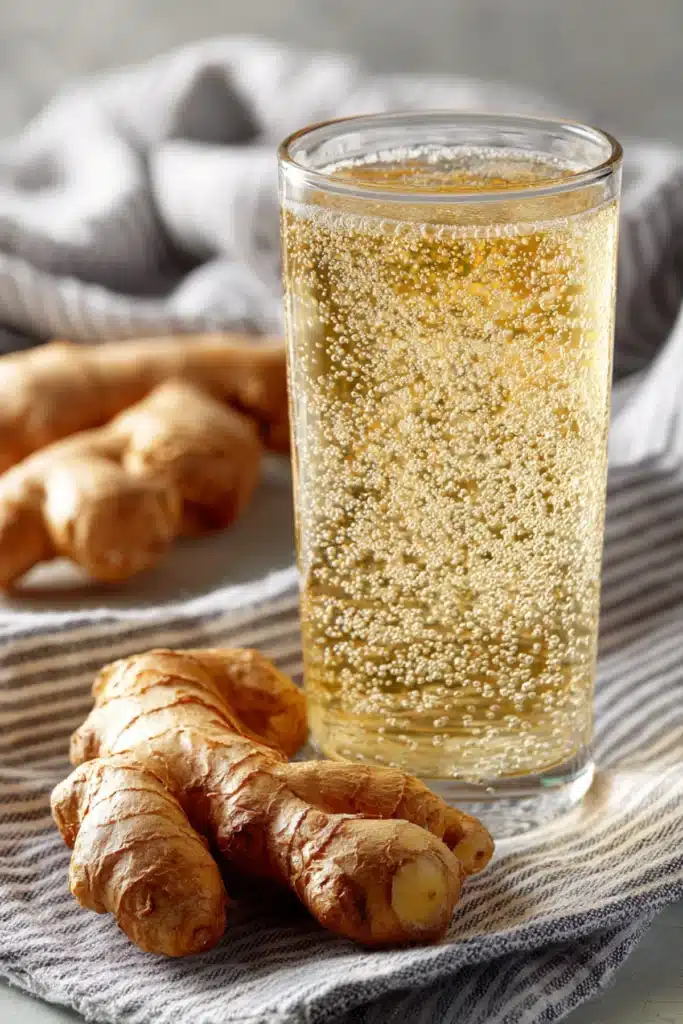
Spices such as cinnamon, cloves, or star anise add warmth and depth. For a refreshing twist, citrus zest or mint leaves can be infused during the bottling phase. The beauty of ginger bug soda recipes is their flexibility — you can mix and match flavors to suit your preferences.
Step-by-Step Guide to Ginger Bug Soda
How to Make Soda from Ginger Bug (Starter Process)
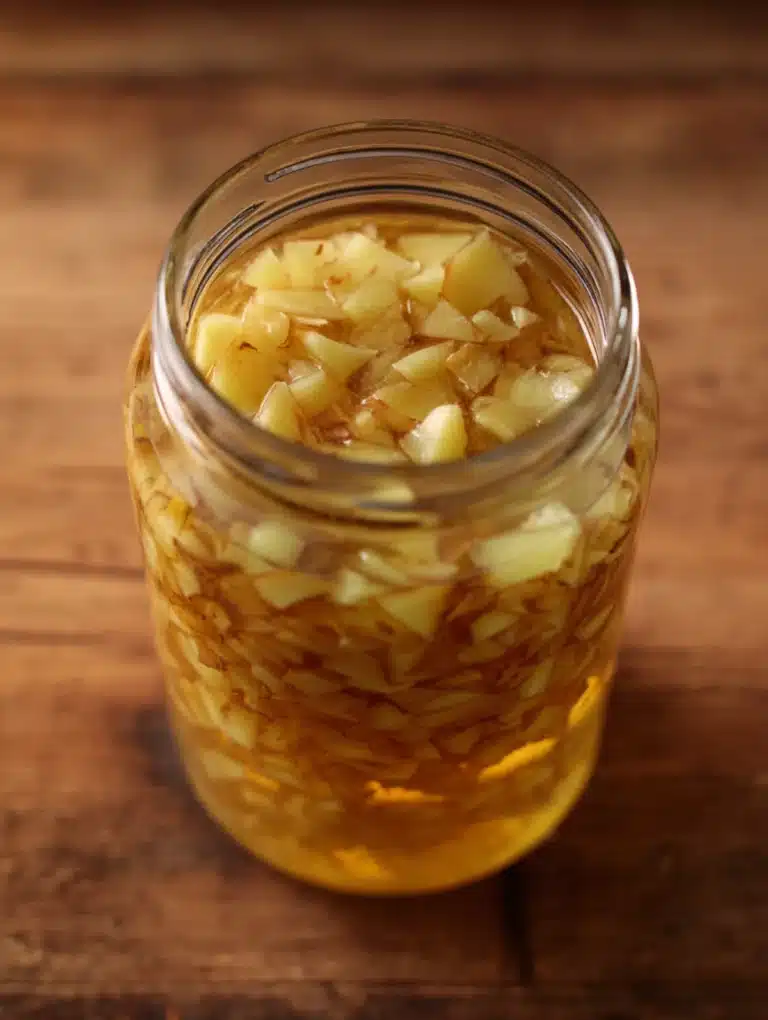
Creating soda from a ginger bug is simpler than it looks, and once you understand the process, it becomes second nature. Start with a healthy, active ginger bug starter. This is a mix of grated ginger, sugar, and water that’s been fermenting for about 5 to 7 days. You’ll know it’s ready when it’s bubbly, smells slightly sweet, and has a tangy aroma.
To make your first batch of ginger bug soda, combine 3 ½ cups of water or brewed tea, 3 to 6 tablespoons of sugar, and ¼ cup of your ginger bug starter in a clean glass jar. Stir until all the sugar is fully dissolved. At this point, you can add fruits, herbs, or spices like lemon slices, orange zest, or fresh berries to customize the flavor. Cover the jar with a breathable cloth or coffee filter secured with a rubber band to allow natural gases to escape during fermentation.
Fermentation Techniques and Timing
Leave the mixture in a warm, dark spot to ferment for 3 to 5 days. Stir it once a day to keep the yeast active and distribute the flavors. You’ll start noticing small bubbles forming, which is a sign of natural carbonation. Once the soda has a good fizz and a slightly tangy flavor, it’s ready to be strained and bottled.
Pour the liquid into swing-top bottles or plastic soda bottles that can handle the pressure. Seal them tightly and leave at room temperature for an additional 3 to 7 days to develop carbonation. Remember to “burp” the bottles every 48 hours by slightly opening them to release excess gas and avoid overpressure. Once your ginger bug soda is bubbly enough, refrigerate it to slow the fermentation process. For the best flavor, drink it within 4 weeks of bottling.
Tips for a Fizzy, Flavorful Drink
How to Make Ginger Bug More Bubbly
One of the most common goals in ginger bug soda recipes is achieving that perfect, fizzy sparkle. To boost carbonation, make sure your ginger bug starter is active before using it. A lively starter will have visible bubbles, a slight yeast-like smell, and a tangy taste.
When preparing your soda, use enough sugar because the beneficial bacteria need food to produce carbon dioxide. Storing your bottles in a warm place (around 70–75°F) for a few days after bottling will also help build pressure naturally.
Another trick is to add a few raisins or dried figs to the bottle — these act as natural carbonation boosters because of their high sugar content.
Flavor Variations with Fruits and Spices
The beauty of homemade ginger bug soda recipes is the freedom to experiment with flavors.
You can create a classic ginger soda by adding fresh lemon juice and a hint of honey. For a tropical twist, mix pineapple juice with a touch of coconut sugar.
Spices like cinnamon sticks, cloves, and cardamom pods can bring warmth and complexity to your drink. For a summer-inspired soda, fresh berries, watermelon juice, or cucumber slices can create a refreshing balance.
Remember, the longer your soda ferments, the more the flavors will meld and develop a unique character.
Health Benefits of Ginger Bug Soda
Why Ginger Bug is Good for Gut Health
Ginger bug soda recipes are not just delicious — they are naturally rich in probiotics that support gut health.
The fermentation process encourages the growth of beneficial bacteria, similar to those found in yogurt or kombucha. Drinking a glass of ginger bug soda can help balance your digestive system, improve nutrient absorption, and even boost immunity.
Because these recipes use real ginger, you also get anti-inflammatory benefits, which can soothe the stomach and reduce nausea.
Regularly including ginger bug soda in your diet can provide a natural way to improve overall well-being.
Probiotic and Natural Energy Boost
Unlike sugary commercial sodas, ginger bug soda recipes offer natural energy without artificial additives.
The live cultures created during fermentation produce enzymes and vitamins that can enhance metabolism and provide a gentle energy boost.
The natural sugars present in the recipe are mostly consumed by the fermentation process, leaving a mildly sweet, tangy flavor that’s much healthier than store-bought sodas.
If you’re looking for a refreshing, gut-friendly drink, ginger bug soda is an ideal choice.
(For more on probiotics, visit Wikipedia’s probiotics page).
Common Problems and Fixes
Why Your Ginger Bug Soda May Not Be Fizzy
Sometimes, ginger bug soda recipes don’t turn out as bubbly as expected. A flat soda often means the starter wasn’t active enough. To fix this, feed your ginger bug starter with fresh ginger and sugar for a couple of days before using it.
Temperature also plays a huge role — if your kitchen is too cold, fermentation slows down. Try placing the jar in a warm spot between 70–75°F.
Another key point is sugar; without enough sugar in your soda mixture, the bacteria can’t produce the carbonation you need.
Troubleshooting Fermentation Issues
If your ginger bug soda tastes off or smells strange, it may be due to contamination or using unclean utensils. Always use sterilized jars and spoons when handling your starter or soda mixture.
Cloudiness in ginger bug soda recipes is normal during active fermentation, but mold is not. If you see fuzzy patches, discard and start over with a fresh batch.
Also, if your soda is too sweet, simply let it ferment a little longer until the sugars are consumed. Patience is key when it comes to perfecting your homemade ginger bug soda.
Serving and Storing Homemade Soda
How to Prepare Ginger Soda for Serving
When your ginger bug soda recipes are ready, serving them correctly makes all the difference. Once your soda has finished fermenting, strain it into clean glass bottles to remove ginger pieces and any flavoring additives like fruit or spices.
Chill the bottles in the refrigerator for at least a few hours before serving to enhance the crisp, fizzy taste.
You can pour your homemade ginger bug soda over ice, add fresh lemon slices, or even top it with a splash of sparkling water for an extra refreshing drink.
For parties, this naturally bubbly beverage can be served in a punch bowl with floating citrus slices for a stunning presentation.
Bottling and Storage Tips
Proper storage is essential to maintain the flavor and fizz of your ginger bug soda recipes. Always use bottles designed to handle pressure, such as swing-top glass bottles or BPA-free plastic soda bottles. Store them at room temperature during the final fermentation stage, but once the desired carbonation level is reached, transfer them to the refrigerator.
Cold storage slows fermentation, preventing the soda from becoming overly sour. Homemade ginger bug soda should be consumed within 4 weeks for the best taste and quality. Always “burp” your bottles periodically during room-temperature fermentation to prevent excess pressure buildup.
FAQs on Ginger Bug Soda Recipes
How to Make Soda from Ginger Bug?
Can You Drink Ginger Bug Straight?
How to Make Ginger Bug More Bubbly?
How to Prepare Ginger Soda?
Conclusion and Final Tips
Mastering ginger bug soda recipes is all about understanding the balance between fermentation, flavor, and timing. Once you have a healthy ginger bug starter, you can create endless variations of naturally fizzy, probiotic-rich drinks at home. Always remember to feed your starter, use clean equipment, and keep the temperature consistent for the best results. The beauty of ginger bug soda recipes is that they are versatile — you can mix spices, fruits, or herbal infusions to create a unique beverage every time.
If your soda isn’t as fizzy as you’d like, give it more time at room temperature or add a small amount of extra sugar before bottling. For those who love experimenting, try pairing ginger bug soda with citrus juices or berry infusions to create seasonal drinks. These ginger bug soda recipes not only taste amazing but also deliver natural probiotics that boost gut health and immunity.
With just a few simple ingredients — water, sugar, and fresh ginger — you can craft a refreshing homemade soda that’s far healthier than store-bought alternatives. So why not start today? Gather your ingredients, prepare your starter, and enjoy the satisfying experience of making your own ginger bug soda recipes from scratch.